Industrial and plant assets face constant degradation from environmental factors and operational wear. Managers must prioritize maintenance strategies that prevent costly equipment failures and shutdowns. Surface preparation is the critical foundation for any protective coating system.
This process removes contaminants and creates a profile suitable for mechanical or chemical adhesion. It ensures the substrate accepts the protective material effectively. Without this crucial step, even the most expensive coatings will fail prematurely.
Investing in high-quality surface preparation extends the usable life of critical infrastructure. Here are the basic types of surface preparation services you should know to help you select the best method to extend asset lifespans.
Understanding Surface Preparation
Experts define surface preparation as the cleaning and modification of a surface before coating application. This stage largely determines the success or failure of the entire coating project. The process aims to remove oil, grease, old paint, old coatings, rust, and mill scale.
A smooth or dirty surface prevents the coating from establishing a permanent bond. Most premature coating failures stem directly from inadequate surface preparation rather than the coating material itself.
Abrasive Blasting Techniques
Abrasive blasting, like sandblasting, remains a common method for heavy-duty surface cleaning. Operators propel media against a surface at high speeds using compressed air or water. This media includes materials like silica sand, steel, glass beads, or walnut shells.
The impact of the abrasive material strips away rust, mill scale, and existing coatings. This aggressive action creates a rough texture on the metal or concrete. However, this method produces significant dust and waste that is difficult to contain.
Chemical Cleaning Methods
Chemical cleaning utilizes solvents and acids to dissolve surface contaminants. This technique effectively removes organic residues like oil, grease, and dirt that abrasive methods might just spread around. Technicians apply the chemical solution to the substrate and allow it to react with the unwanted material. The chemicals break down the molecular bonds of the contaminants. Crews then rinse the surface thoroughly to remove both the chemical agent and the loosened debris.
Contractors often use this method for precision parts or complex geometries where blasting might cause damage. It also serves as a preliminary step before mechanical cleaning methods. However, chemical cleaning methods must take place in specific locations and present environmental and safety concerns due to the use of harsh chemicals.
 Mechanical Surface Preparation
 Mechanical Surface Preparation
Mechanical surface preparation involves the use of tools such as grinders, sanders, or brushes to remove contaminants, coatings, or rust from a substrate. This technique is highly effective for achieving a smooth or profiled surface, depending on the project requirements. It is commonly used on steel, concrete, and other durable materials, serving as an alternative to abrasive blasting in certain scenarios.
However, cleaning large surface areas can be labor-intensive and time-consuming, especially when using certain tools. These tools often generate significant noise and vibration, raising potential safety concerns for users. Additionally, they may struggle to effectively clean deep crevices or corners, leaving some areas untouched.
The Superiority of Hydroblasting
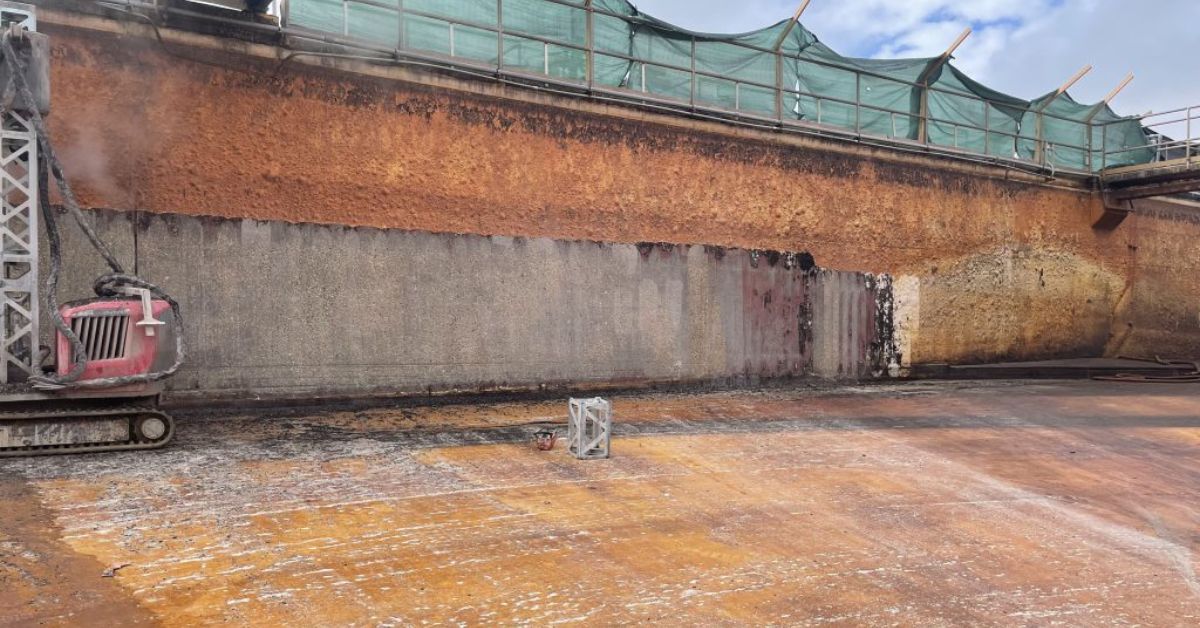
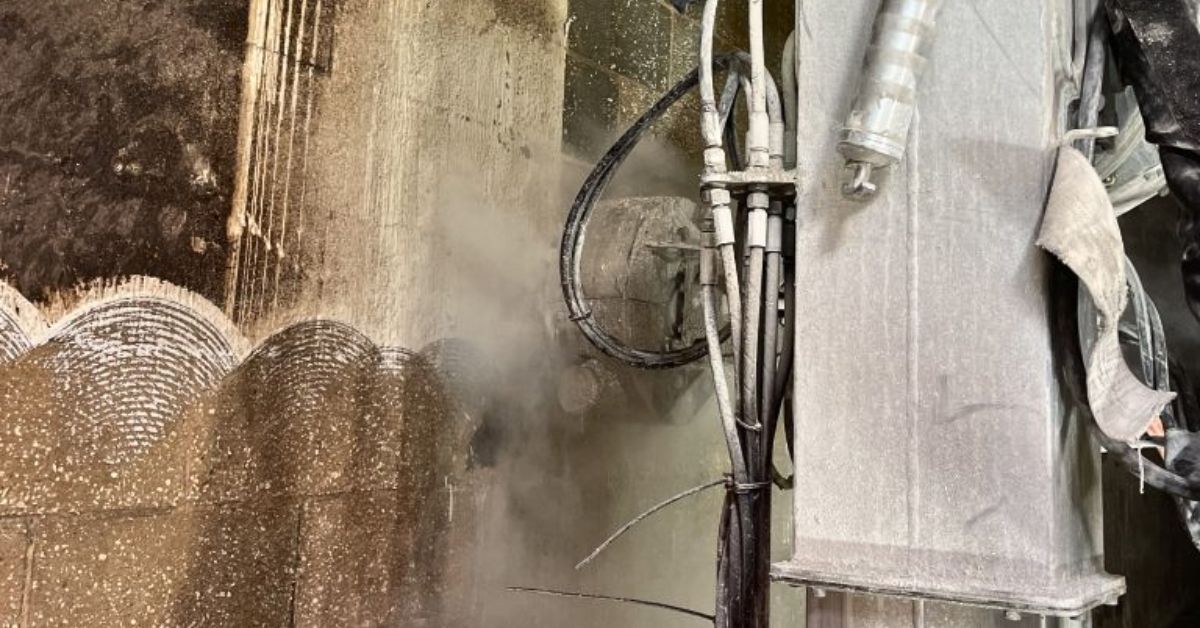
Ultra-high pressure (UHP) water jetting offers a superior alternative to traditional blasting methods. This technique uses water pressures up to 40,000 PSI to strip coatings and clean surfaces. The sheer force of the water removes rust, paint, debris, coatings, and chemicals without using abrasive media. This eliminates the dust clouds associated with sandblasting. It also reduces the volume of waste material that the team must dispose of. Certain means allow for the use of complete vacuum recovery which prevents any of the media from falling
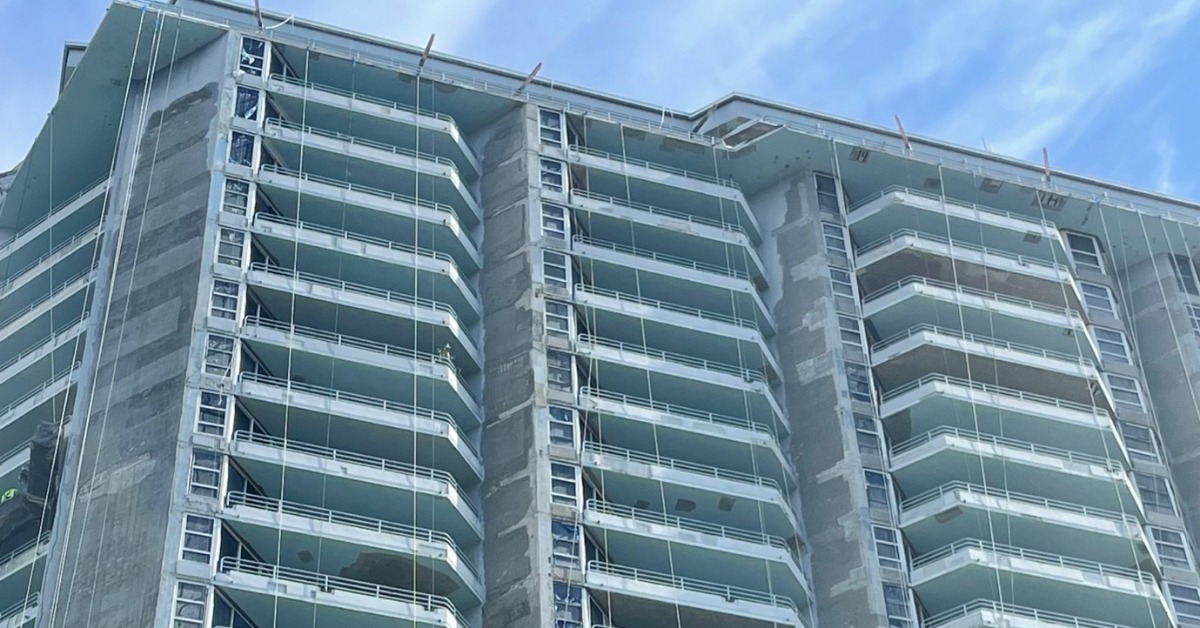
Our operators at Clean Sweep Hydroblasting use this method to remove coating from concrete, stucco, walkways, and decks on all types of buildings and structures. The high-pressure water cuts through tough layers without damaging the structural integrity of the concrete. This method leaves a clean surface ready for immediate repair or recoating.
Industrial facilities rely on this technology for tank maintenance as well. The process removes coatings from storage tanks and steel structures efficiently. This capability creates a perfect surface for new lining application. Furthermore, the water jetting performs profiling of concrete on various structures for over coating or overlaying of epoxy coatings.
Benefits of Proper Surface Preparation
Enhanced Coating Adhesion
The primary benefit of proper surface preparation involves significantly improved coating adhesion. A clean substrate allows the coating to bond at a molecular level with the material. Contaminants like oil or dust create a barrier that prevents this interaction. Mechanical profiling increases the surface area and provides a physical tooth for the coating to lock into. This strong bond prevents peeling, blistering, and delamination over time.
Coatings applied to poorly prepared surfaces often fail within the first year of service. A robust bond ensures the protective layer stays intact during thermal expansion and contraction. It also helps the coating resist impact and abrasion damage. Asset owners see better performance from their coating investment when adhesion remains high.
Extending Asset Lifespan
 Extending Asset Lifespan
Investing in thorough preparation significantly extends the service life of equipment. A well-bonded coating system shields the substrate from the environment for many years. This protection preserves the structural integrity of beams, tanks, and vessels.
Abrasive blasting methods often have the opposite effect by filling in the spalls in concrete and other materials, hiding damage that requires repairs. Hydroblasting promotes visual clarity and helps identify these issues to promote repairs and longer asset lifespan.
Companies that prioritize surface prep often see their coating systems last twice as long as those who cut corners.
Cost Savings Analysis
Asset replacement costs far exceed the price of preventative maintenance. Proper surface preparation saves money by reducing the frequency of rework. Failed coatings require expensive removal and re-application procedures. Doing the job right the first time eliminates these unnecessary expenses. The reduction in waste disposal costs from using water jetting also contributes to the bottom line.
Long-term savings accumulate through reduced corrosion damage repairs. Preventing metal loss means avoiding structural reinforcements or plate replacements. The operational efficiency gains from reliable equipment further enhance profitability. Clean Sweep Hydroblasting surface preparation helps clients realize these savings through efficient project execution. Managers should calculate total lifecycle costs rather than just looking at the upfront bid price.
Surface preparation services are key to asset preservation, providing strong adhesion, corrosion protection, and cost savings. Industries rely on professional services like Clean Sweep Hydroblasting to ensure quality results. Our UHP water jetting technology delivers safe and effective solutions for diverse needs. Contact Clean Sweep Hydroblasting to protect your assets and extend their longevity.