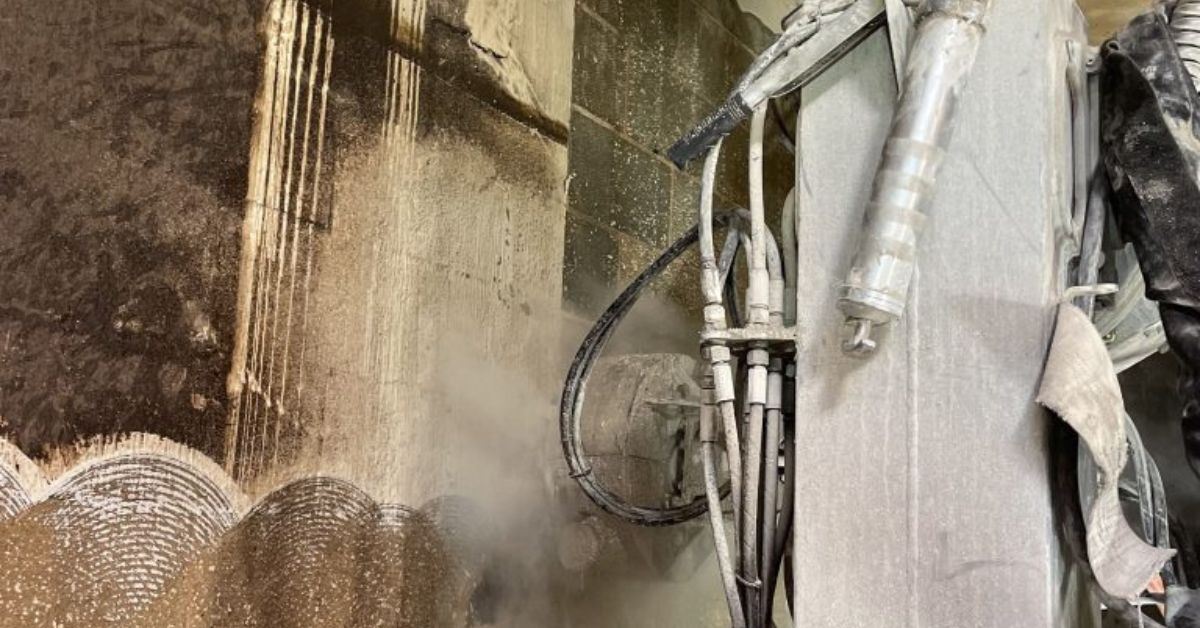
Industrial cleaning and surface preparation are essential in sectors like manufacturing and marine maintenance. While sandblasting has long been used to remove coatings, contaminants, and corrosion, concerns over health and environmental risks have driven the shift to safer, more efficient methods.
Hydroblasting, which uses high-pressure water, is quickly becoming a superior alternative. Explore the differences between sandblasting and hydroblasting, including why hydroblasting is safer and more effective for modern industrial needs. By understanding these differences, businesses can make informed choices that protect workers, the environment, and their income.
Understanding the Sandblasting Process
Sandblasting is a surface treatment method that involves forcibly propelling a stream of abrasive material against a surface under high pressure. The primary goal is to smooth a rough surface, roughen a smooth surface, or remove surface contaminants. The abrasive media, traditionally sand, is propelled by compressed air.
This process removes paint, rust, and other tough coatings from metal, concrete, and wood. The force of the abrasive particles striking the surface strips away unwanted layers, preparing it for new coatings or further treatment. Sandblasting has long been used in shipbuilding, automotive restoration, and construction due to its power and speed.
Health Hazards of Sandblasting
Despite its effectiveness, sandblasting poses significant health risks, primarily due to the inhalation of fine dust particles. The most severe hazard is silicosis, a debilitating and often fatal lung disease caused by breathing in crystalline silica dust, a common component of sand. When silica dust enters the lungs, it causes inflammation and scarring, which reduces the lungs’ ability to take in oxygen.
Workers exposed to silica dust are also at increased risk for other serious conditions, including lung cancer, bronchitis, and kidney disease. Even with personal protective equipment (PPE) like respirators, the risk of exposure remains high for both the operator and anyone nearby. The microscopic dust can linger in the air long after the blasting work has finished, creating a hazardous environment.
Environmental Concerns of Sandblasting
Sandblasting also creates considerable environmental problems. The process generates large volumes of dust, which can contain hazardous materials like lead paint or other toxic coatings. This airborne dust pollutes the surrounding air and can settle on soil and water, contaminating local ecosystems.
Containing and disposing of the used abrasive media and stripped contaminants is a complex and costly challenge. If operators don’t handle them correctly, these waste products can leach harmful substances into the ground and waterways. The regulatory requirements for managing this hazardous waste add another layer of complexity and expense to sandblasting operations.
 Exploring the Hydroblasting Process
 Exploring the Hydroblasting Process
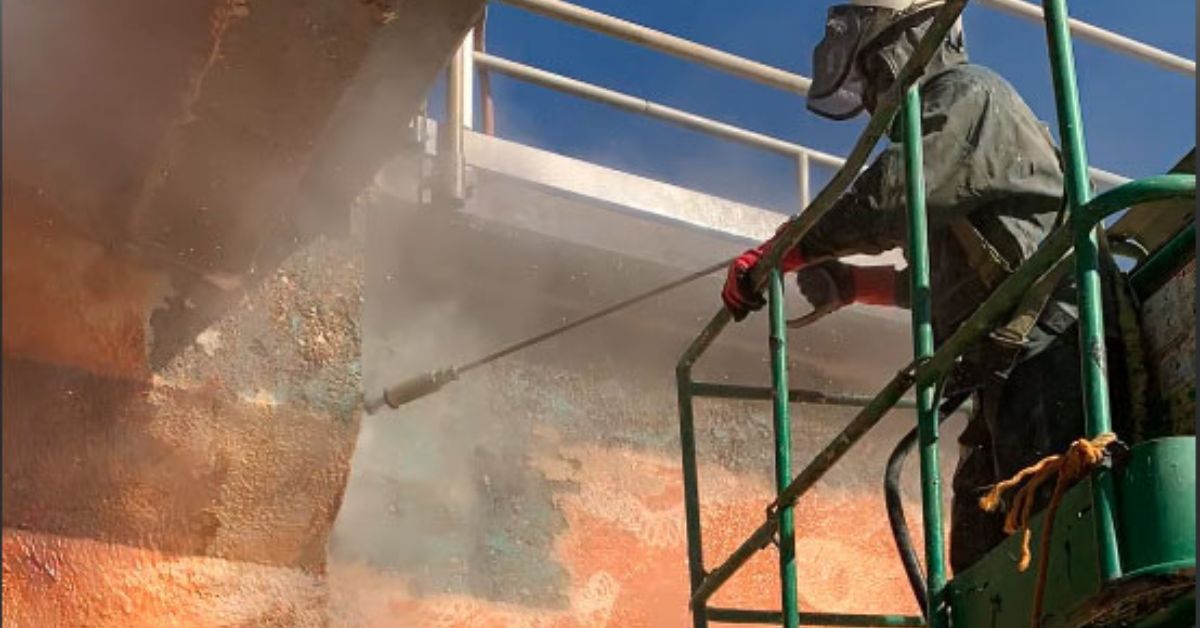
Hydroblasting, also known as water blasting or hydro-jetting, is a technique that uses a highly pressurized stream of water to clean, descale, and prepare surfaces. The water is forced through a small nozzle at pressures that can exceed 40,000 pounds per square inch (PSI). This intense force can remove even the most stubborn coatings and buildup without damaging the underlying substrate.
Operators can adjust the process by changing the water pressure and nozzle type, making it suitable for many applications. Industries can use it on delicate surfaces that traditional abrasive methods would damage, as well as on hard materials like steel and concrete. This versatility makes it a valuable tool in industries such as oil and gas, manufacturing, and municipal maintenance.
Reduced Health Risks with Hydroblasting
One of the most significant advantages of hydroblasting is the dramatic reduction in health risks. Because it uses only water, hydroblasting eliminates the danger of inhaling toxic dust like silica. The water traps any hazardous materials removed from the surface, preventing them from becoming airborne and posing a respiratory threat.
While operators still need appropriate PPE to protect against high-pressure water streams, the risk of long-term occupational diseases is virtually nonexistent. This creates a much safer working environment for the entire crew and anyone in the vicinity of the worksite. The absence of airborne dust also improves visibility for the operator, further enhancing safety and precision.
Environmental Benefits of Hydroblasting
Hydroblasting is an environmentally friendly alternative to traditional abrasive blasting. It avoids dust pollution, protects air quality, and prevents contamination of the surrounding area. The water used in the process can be collected, filtered, and often recycled, which significantly reduces water consumption and minimizes waste.
The next step is to filter and contain the waste materials for disposal in a more controlled and responsible manner. This streamlined waste management process is often simpler and less expensive than dealing with the large volumes of contaminated abrasive media that sandblasting generates. By reducing pollution and conserving resources, hydroblasting supports sustainable business practices.
Key Advantages of Hydroblasting
Hydroblasting offers numerous advantages that make it a more practical choice for many industrial applications. These benefits relate to effectiveness, versatility, and overall cost, reinforcing its position as a modern, efficient cleaning solution.
Effectiveness and Precision
Hydroblasting is often more effective than sandblasting for removing a wide variety of materials, including thick coatings, grease, and soluble salts. The high-pressure water can penetrate and lift contaminants from deep within the pores of a surface, ensuring a more thorough clean.
The process also offers superior precision. By adjusting the water pressure and using different nozzles, operators can selectively remove coatings layer by layer without damaging the original surface profile. This is particularly important when working on sensitive equipment or historical structures where preserving the substrate is crucial.
Versatility in Applications
Hydroblasting’s versatility is unmatched. It can be safely used on a wide array of materials, including steel, aluminum, concrete, stucco, and composites, without causing pitting or erosion.
Furthermore, because it is a dust-free process, hydroblasting is suitable for environments that prohibit sandblasting. This includes areas near sensitive machinery, operational facilities, homes, high-rises, office buildings, and public spaces where dust and debris would be unacceptable. Its ability to operate without generating sparks also makes it the preferred method in potentially explosive environments.
Cost-Effectiveness
Hydroblasting is typically faster than sandblasting, which reduces labor costs and minimizes facility downtime. Efficiency gains are particularly noticeable on large-scale projects where time is critical.
Additional savings come from reduced waste disposal costs. The expense of managing and disposing of large quantities of contaminated abrasive material from sandblasting can be substantial. In contrast, the contained, smaller volume of waste from hydroblasting is much less costly to handle, contributing to a lower total project cost.
Find Expert Hydroblasting Services
For businesses seeking a reliable, safe, and efficient industrial cleaning solution, professional hydroblasting services are the answer. Partnering with an experienced provider completes projects to the highest standards of quality and safety.
At Clean Sweep Hydroblasting, we specialize in industrial water blasting services tailored to meet the unique needs of our clients. Our team is equipped with advanced technology and trained in the latest safety protocols to deliver exceptional results. Visit our website to learn more about how our hydroblasting services can benefit your operations.
The Clear Choice for Industrial Cleaning
 The Clear Choice for Industrial Cleaning
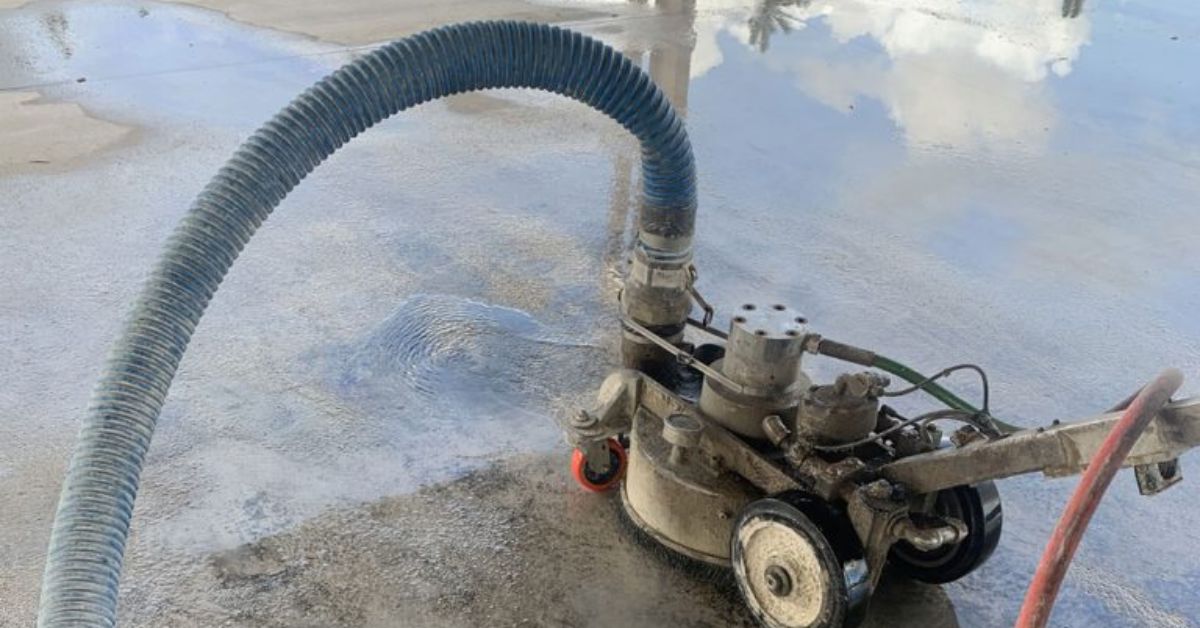
As industries continue to prioritize safety and environmental responsibility, the choice between sandblasting and hydroblasting becomes clear. Hydroblasting provides a powerful, precise, and versatile solution that effectively removes contaminants without the severe health risks and environmental damage associated with sandblasting.
By eliminating airborne dust, reducing waste, and increasing operational efficiency, hydroblasting stands out as the superior method for modern industrial cleaning and surface preparation. For businesses looking to enhance safety, comply with regulations, and achieve better results, seek out industrial water blasting from Clean Sweep Hydroblasting as your next step.