
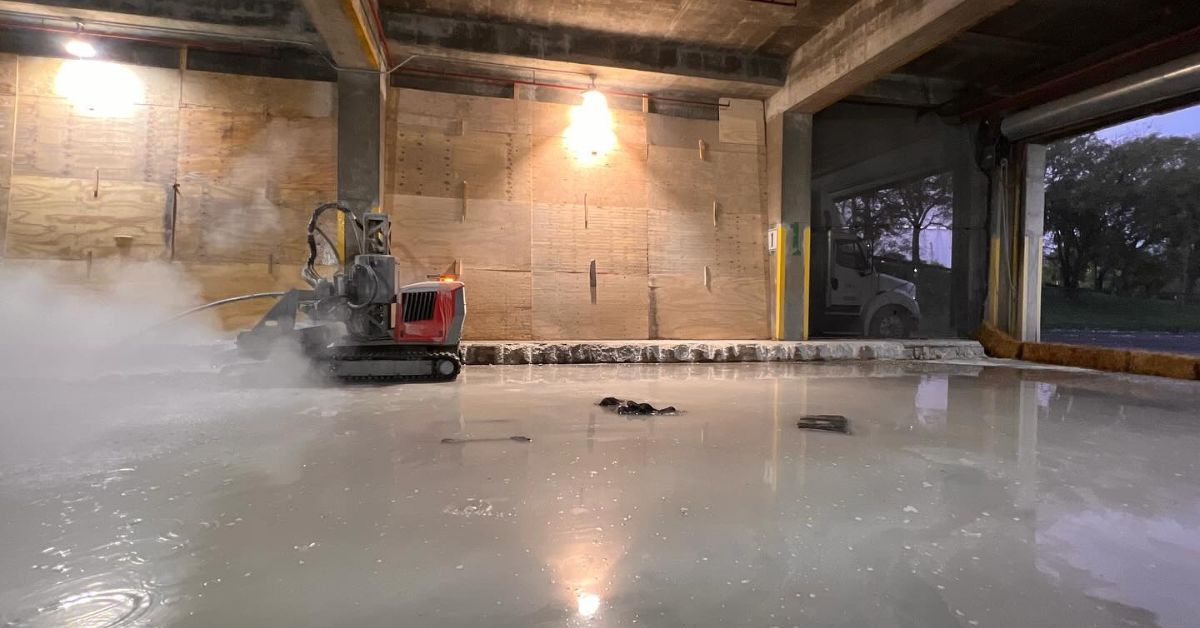
When you hire a hydroblasting crew, you will hear two acronyms early in the conversation: PSI and GPM. These metrics shape how services remove coatings, clean industrial surfaces, or perform hydrodemolition with control and repeatable results. In professional hydroblasting, PSI and GPM work as a pair, and understanding the right balance depends on the material, the surface condition, and the outcome you need.
What PSI and GPM Mean on a Jobsite
PSI or “Pounds per Square Inch” measures water pressure at the point of work, and it describes how much force the stream delivers through the nozzle. In ultra-high-pressure work, PSI drives cutting, removal, and profiling performance on tough substrates.
GPM or “Gallons Per Minute” measures water flow rate, and it describes how much water the system delivers each minute. GPM influences removal speed, flushing, cooling, and how efficiently the crew clears debris and spent coating from the work area.
Why PSI Matters for Removal and Surface Control
Higher PSI increases the stream’s ability to break bonds between a coating and a substrate or to fracture weak material on concrete. You use PSI to target what must come off while keeping control over what must stay in place.
PSI also affects precision when crews need to remove material in a tight boundary or around sensitive features. The right pressure helps the crew hit the specified standard without over-cutting edges or leaving uneven results.
PSI in Hydrodemolition and Concrete Repair
Hydrodemolition uses high pressure water to remove deteriorated concrete and expose sound structure for repair. The crew needs stable pressure delivery to meet depth targets and to produce an acceptable surface for bonding new repair material.
A contractor also needs predictable results across rebar, corners, and transitions where material density changes. Pressure stability helps the crew keep removal consistent as the nozzle path changes direction and stand-off distance.
PSI in Industrial Cleaning and Surface Preparation
Surface preparation work often needs enough PSI to remove coatings, scale, or residues without damaging the base material. The correct pressure helps the crew meet a spec for cleanliness and profile while avoiding unnecessary substrate loss.
On metal or composite surfaces, pressure selection matters even more because the margin for error can shrink quickly. An experienced hydroblasting team chooses settings that match the substrate and the coating system, not a one-size-fits-all number.
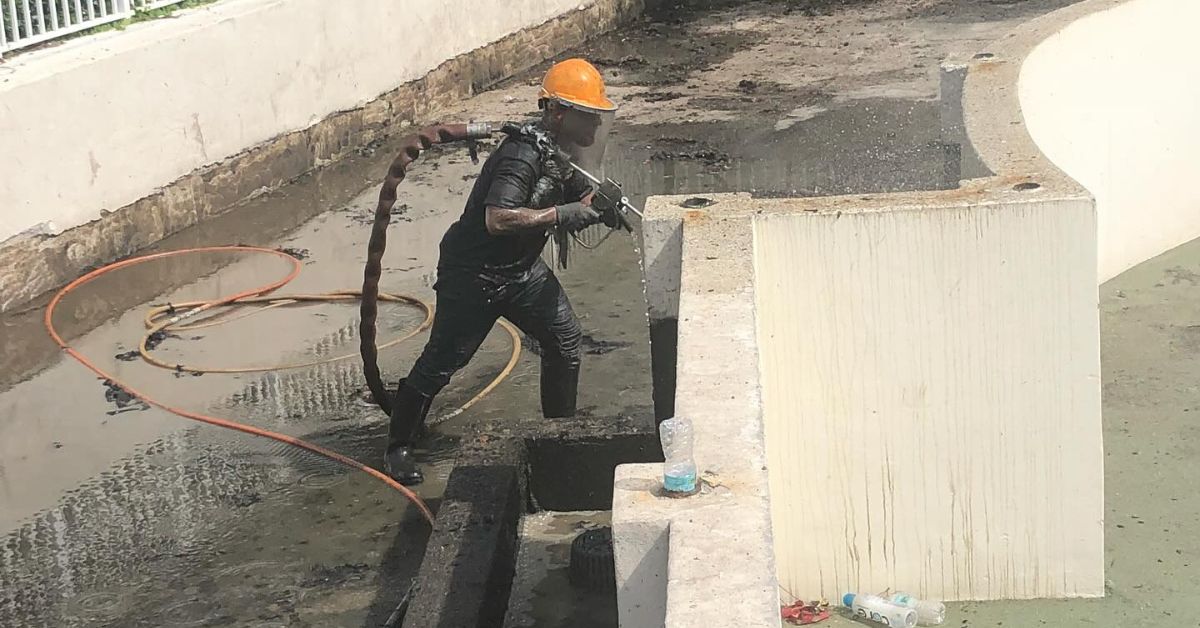
Why GPM Matters for Productivity and Finish Quality
GPM determines adequate flow that help carry away loosened material so the stream keeps cutting the target surface instead of fighting a slurry layer. Flow also supports temperature control in demanding cycles and improves rinse effectiveness on industrial contamination. When the job needs clean, residue-free conditions, the right GPM helps the crew finish with fewer rework passes.
GPM, Nozzle Sizing, and Real Output
Nozzle size and configuration set the system’s working flow, and they directly affect the GPM the surface sees. A pump might rate at a certain GPM on paper, but the nozzle package and operating pressure determine what the crew delivers at the gun or robotic head.
As the crew increases PSI, the system can reduce effective flow if the nozzle selection does not match the pump’s power curve. Skilled operators choose nozzles that let the pump run in an efficient range so the job maintains steady output.
GPM and Jobsite Logistics
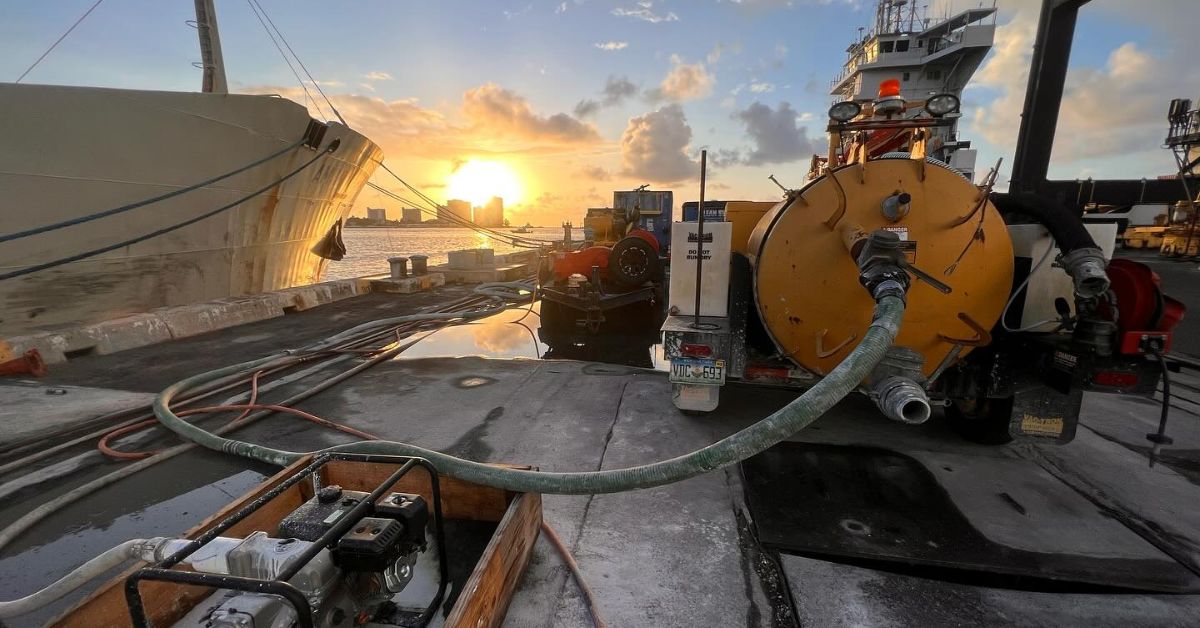
Higher flow increases water consumption, runoff volume, and containment needs. The project plan must account for recovery, filtration, and disposal requirements so the work stays compliant and the site stays safe and clean.
How PSI and GPM Work Together in Hydroblasting
Pressure and flow combine to determine the stream’s overall energy delivery at the nozzle. If PSI rises but GPM drops too far, you might get a narrow cutting effect that slows production or leaves uneven removal patterns.
If GPM rises but PSI sits too low, you might flood the surface without achieving the removal you need. The best outcomes come from tuning both values to the surface, the contaminant or material, and the production requirement.
Matching the Pair to the Specification
Specs often define the result in terms of cleanliness, profile, or removal depth rather than equipment settings. A qualified hydroblasting contractor uses test patches to confirm the combination that meets the spec at production speed.
This approach reduces surprises for owners and general contractors because it ties the work to measurable results. It also helps control cost because the crew can avoid wasting time on ineffective settings.
Choosing the Right Balance for Your Project Scope
A project manager can start with three questions: what must come off, what must remain intact, and what finish the next trade needs. Those answers guide the contractor toward a PSI and GPM range that fits the surface and the acceptance criteria.
The job then needs a realistic plan for containment, recovery, and schedule. Flow rate drives water handling demands, and pressure level drives safety controls, standoff practices, and equipment selection.
Coating Removal on Commercial and Industrial Surfaces
Coating systems vary widely in thickness, hardness, and adhesion, so hydroblasting settings must match the coating and substrate. A contractor should confirm whether the goal involves full removal, selective removal, or preparation for recoat.
Hydrodemolition for Structural Repair
Flow supports debris removal and visibility during the process. When crews keep the surface clean and readable, they can maintain quality and reduce the chance of over-removal in sensitive zones. The work also needs a consistent path and speed so the crew achieves uniform depth and a bond-friendly surface.
Safety and Risk Control Around Ultra-High Pressure
Ultra-high-pressure water can injure people and damage property when crews cut corners. A professional team uses job-specific controls, verified equipment condition, and disciplined work practices to manage risk.
The right PSI and GPM also reduce risk because they prevent operators from forcing the job with unsafe positioning. When the settings match the task, the crew can work with stable technique and predictable results.
Why Experience Matters When PSI and GPM Decisions Drive Cost
The wrong balance can inflate labor hours, increase water handling costs, and create rework for follow-on trades. An expert crew chooses settings that meet the spec, maintain production, and protect the substrate, which protects the overall project budget.
Clean Sweep Hydroblasting brings over 30 years of combined commercial hydroblasting experience and operates as a small, family-owned business that gives each client direct attention. This experience matters most on complex work where the crew must dial in PSI and GPM quickly and keep performance stable across shifting conditions.
Get Expert Help With Ultra-High-Pressure Hydroblasting
If you need coating removal, surface preparation, or hydrodemolition, you should work with a contractor who can explain PSI and GPM in terms of your project requirements and acceptance criteria. When you’re looking for a service with experience, call Clean Sweep Hydroblasting to discuss your scope and get a plan that fits your schedule and site constraints.