Hydroblasting has become a practical solution for industrial and commercial facilities that need precise cleaning, coating removal, surface preparation, or selective material removal. Modern projects now demand more than cleaning performance alone, because water recovery and waste management play a direct role in compliance, safety, cost control, and operational continuity.
Facility owners and project managers often evaluate hydroblasting based on production goals, outage schedules, and surface results. Strong water recovery and waste management through hydroblasting strengthens each of those priorities by controlling runoff, capturing debris, and supporting a cleaner work zone from start to finish.
Hydroblasting already offers an environmental advantage over many abrasive methods because it uses water instead of introducing blasting media into the work area. That advantage grows when contractors pair high-pressure cleaning with disciplined recovery systems that collect water, solids, and removed contaminants before they spread across the site.
Why Recovery Planning Matters Before Work Begins
Every hydroblasting project generates wastewater and removed material that must go somewhere. When planning falls short, runoff can migrate into drains, collect in low areas, interrupt adjacent operations, or create avoidable cleanup costs after production resumes.
A well-planned recovery strategy starts with the surface, coating, contaminant type, and work location. Interior spaces, elevated work, food-adjacent environments, heavy industrial settings, and confined operating areas all require different containment and capture methods.
Contractors also need to account for pressure, flow rate, and the amount of material expected to come off the surface. A project removing loose scale from structural steel creates a different waste profile than a project stripping coatings from concrete or cleaning residue from process equipment. This early planning phase protects the schedule as much as it protects the site.
Water Recovery Supports Regulatory Compliance
Industrial and commercial facilities operate under tight environmental and safety expectations. Any process that produces contaminated water or dislodged waste must align with site rules, local discharge requirements, and applicable regulatory standards.
Hydroblasting can remove coatings, chemical residue, corrosion byproducts, oils, sludge, and deteriorated concrete. Once those materials mix with water, the resulting waste stream may require testing, containment, transport, or disposal under specific protocols rather than simple discharge.
That reality makes recovery systems essential. Contractors need a plan for capturing wastewater at the source, separating solids when possible, storing recovered liquid safely, and documenting handling procedures throughout the project.
Strong compliance practices also reduce risk for the facility owner. A contractor that treats water recovery as part of the core scope helps limit exposure to citations, post-project cleanup disputes, and unnecessary scrutiny during inspections.
The Link Between Cleaner Job Sites and Safer Operations
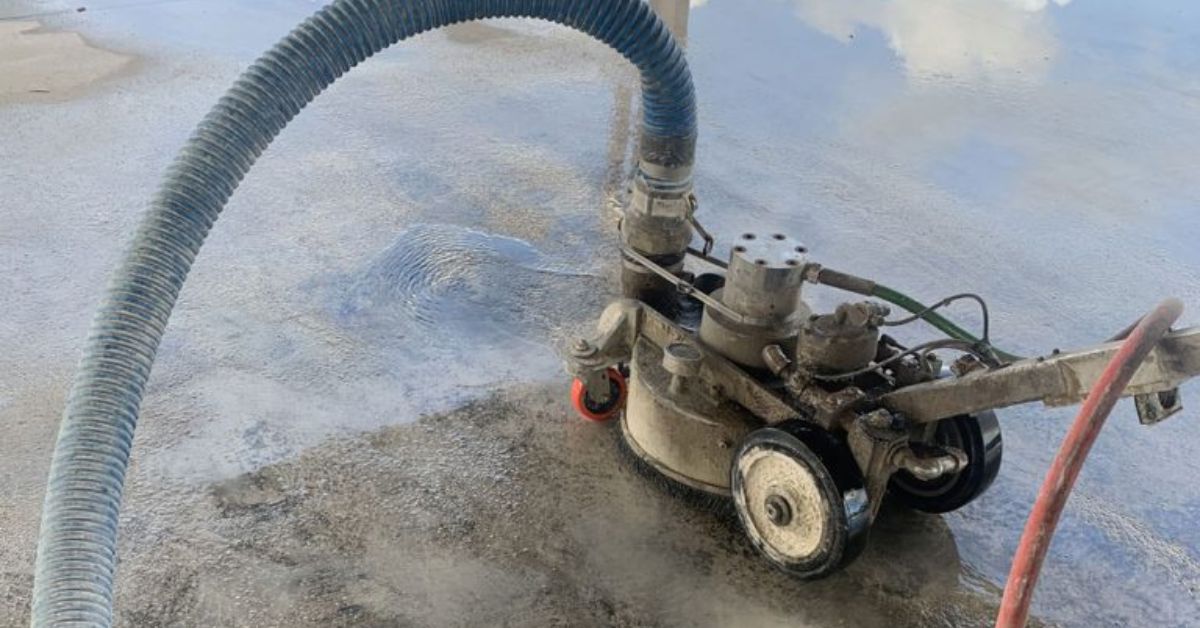
Water recovery improves more than environmental control. It also creates a safer working environment for crews, plant personnel, and other contractors who may still be active nearby.
Standing water can increase slip hazards and reduce traction around access points, scaffolding, and production areas. Loose debris and slurry can also collect around drains, walkways, and equipment pads, making housekeeping more difficult during active operations.
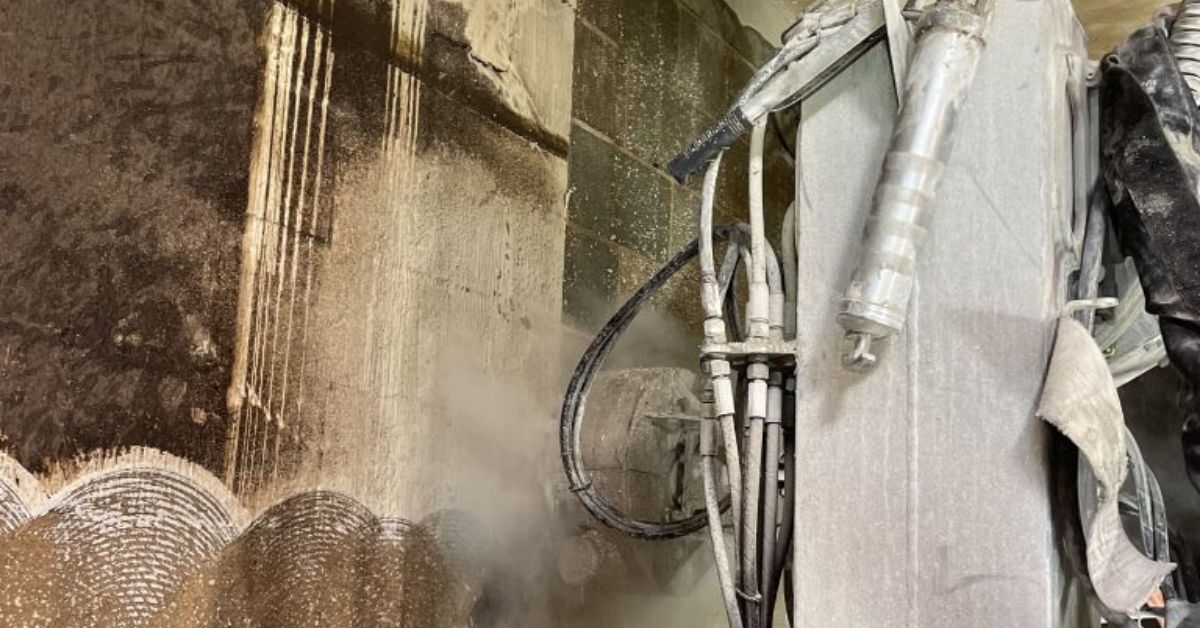
Modern hydroblasting projects benefit from capture methods that keep the work zone more controlled while cleaning progresses. Vacuum recovery, containment barriers, and directed drainage strategies help crews remove waste continuously instead of allowing buildup that must be addressed later.
That cleaner workflow also supports visibility and access. A job site with controlled runoff and organized waste handling gives supervisors a better view of progress, allows inspections to happen faster, and reduces interference with surrounding facility activity.
Waste Streams Vary by Surface and Application
Not all hydroblasting waste looks the same. Facility owners should expect the waste profile to change based on the surface material, the substance being removed, and the operating conditions at the job site.
Surface preparation on concrete may produce wastewater mixed with laitance, failing coatings, or deteriorated substrate. Cleaning storage tanks, process vessels, or industrial floors may generate water mixed with grease, product residue, chemical contaminants, or fine solids that need careful separation and handling.
Hydrodemolition projects create another level of waste management complexity because removed concrete, slurry, and suspended solids can accumulate quickly. Selective removal may preserve sound substrate and reinforcement, but the waste stream still requires organized collection and disposal to keep the site functional.
These differences matter because disposal options, transportation needs, and documentation requirements can change from one project to the next. Experienced contractors evaluate the likely waste stream before work begins so the facility does not face preventable surprises after mobilization.
Modern Hydroblasting Requires More Than Water Pressure
Many buyers focus first on operating pressure, production speed, and visible cleaning performance. Those factors matter, but modern hydroblasting succeeds when contractors manage the full process, including containment, recovery, filtration, transport, and final site cleanup.
That full-process approach separates skilled hydroblasting contractors from companies that simply wash surfaces. Commercial hydroblasting for industrial environments requires technical planning that addresses site conditions, material removal goals, worker safety, and waste handling as one connected system.
This distinction becomes even more important on specialty jobs and high-visibility projects. Facilities need a contractor that understands how to adapt equipment and recovery methods to the demands of the application rather than forcing every project into the same template.
How Recovery Systems Improve Efficiency
Some facility owners worry that recovery measures add time or cost to the project. In practice, organized recovery often improves efficiency because it reduces secondary cleanup, supports faster inspections, and keeps crews working in a more controlled environment.
Continuous removal of wastewater and debris can prevent rework caused by contaminated areas, blocked access, or uncontrolled migration of waste. It also helps maintain a clearer path for equipment movement, quality checks, and turnover to the next trade.
Recovery planning can also support shorter outages in active industrial settings. When waste stays contained and organized, crews can transition through project phases with fewer interruptions and less disruption to surrounding operations.
Choosing a Contractor With the Right Waste Management Approach
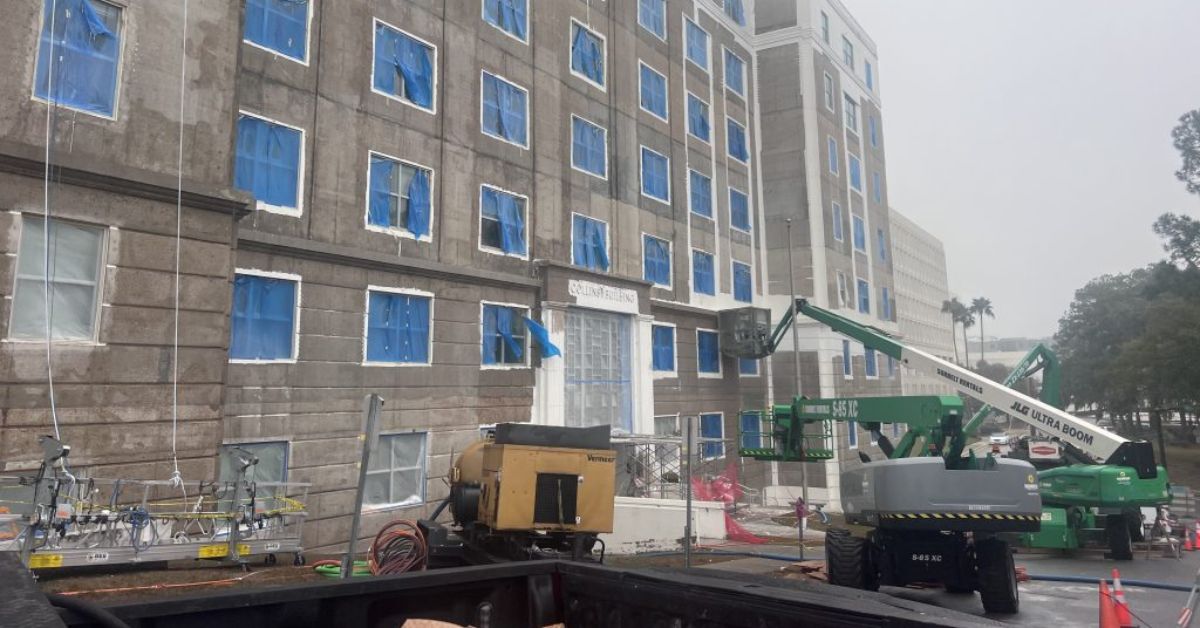
Water recovery and waste management should influence contractor selection as much as technical cleaning capability. The right partner will discuss containment, recovery equipment, filtration methods, waste profiling, and disposal coordination before the job starts.
A qualified contractor also understands that no two facilities operate under the same conditions. Drainage layouts, environmental policies, production demands, access constraints, and removed materials all affect how recovery should be designed on site.
Clean Sweep Hydroblasting emphasizes tailored service because each project calls for the safest and most effective method for the work at hand. That focus on customized solutions, combined with deep industry experience and innovative problem-solving, supports better results for facilities that need precision and accountability.
Experience also matters when project conditions change in the field. Unexpected coating thickness, tighter access, or a more complex waste stream can affect the job immediately, and an experienced crew adjusts without losing control of safety or recovery performance.
Water Recovery Standards of Professional Hydroblasting
Modern hydroblasting projects require responsible control of wastewater, solids, and removed contaminants from the first pass to final disposal.
When experience matters, call Clean Sweep Hydroblasting. Clean Sweep Hydroblasting delivers innovative, high-performance solutions with the recovery planning, waste management discipline, and job-specific expertise needed for demanding industrial and commercial projects.