Infrastructure repair often depends on controlled concrete removal. Hydrodemolition gives project teams a precise way to remove damaged concrete while preserving sound material and embedded steel.
The process uses high-pressure water to remove deteriorated concrete without impact vibration. That makes hydrodemolition useful on structures where accuracy and substrate condition matter. Keep reading to learn seven examples of infrastructure projects that can benefit from hydrodemolition to see if it’s the right fit for your facility.
Why Hydrodemolition Fits Infrastructure Repair
Concrete infrastructure rarely fails in a uniform way. Corrosion and spalling can affect one area while nearby concrete remains strong. Traditional mechanical removal can damage sound concrete during repair. Hydrodemolition helps remove weak material without bruising the remaining substrate.
This selectivity helps contractors prepare a better repair surface. It also supports better access around reinforcing steel.
Common reasons to use hydrodemolition include:
- Selective removal of deteriorated concrete
- Reduced risk of microcracking
- Better bond surfaces for repair materials
- Cleaner exposure around reinforcing steel
- Less impact vibration near active structures
Hydrodemolition does not fit every scope. It works best when the project needs controlled removal and a repair-ready surface.
1. Bridge Deck Repair
Bridge decks face traffic loads and water intrusion. Deicing chemicals and constant movement can also accelerate deterioration. Hydrodemolition allows crews to remove damaged deck concrete with high accuracy. The process can expose rebar without damaging the steel.
The process helps repair teams evaluate the deck after removal and creates a clean, roughened surface for new concrete or overlay systems. Bridge work often involves traffic control and tight schedules. Hydrodemolition can support phased removal because crews can target defined lanes or areas.
2. Parking Structures
Parking garages experience constant vehicle loads and moisture exposure. Many structures also face chloride contamination from road salts or coastal air. Parking structures often have limited clearance and access challenges. Experienced hydrodemolition teams can match equipment setup to the work area.
Hydrodemolition works well on elevated slabs and ramps. It removes unsound concrete while preserving structural components that still perform. The process can prepare surfaces for repair mortar or traffic coatings. A clean profile helps these materials bond properly.
 3. Dams and Spillways
 3. Dams and Spillways
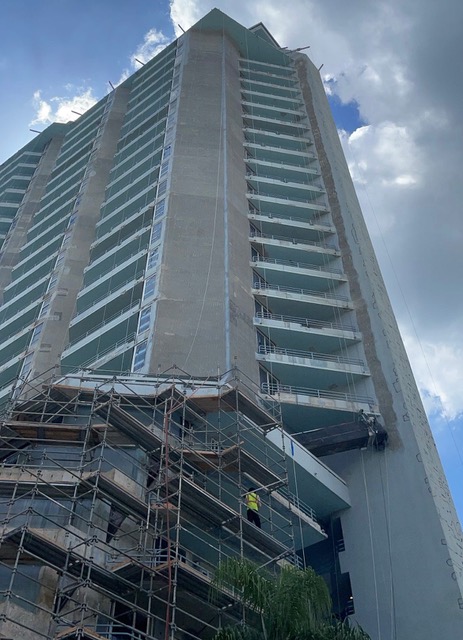
Dams and spillways demand careful concrete repair because water flow can worsen surface defects. Erosion and cavitation damage can degrade concrete over time. Hydrodemolition can remove damaged concrete from spillway surfaces and water control structures. The process supports precise removal without heavy impact tools.
This matters where repair teams must preserve the surrounding structure. It also helps create a surface that can accept durable repair materials. Water infrastructure often requires strict planning and environmental controls. Crews must manage runoff and debris with care.
Clean Sweep Hydroblasting uses water-based technology for demanding removal work. The approach supports safe and environmentally conscious demolition planning.
4. Water Treatment Facilities
Water treatment plants rely on concrete tanks and channels. Clarifiers and containment areas also need durable concrete surfaces. Hydrodemolition can remove deteriorated concrete in basins and treatment structures. It can also prepare surfaces for liners and coatings.
Many facilities must keep operations moving during repair. Selective removal helps isolate work areas and protect nearby equipment.
Precision also matters around embedded components. Skilled crews can work around rebar and complex structural details.
5. Tunnels and Aqueducts
Tunnels and aqueducts create difficult access conditions. Curved surfaces and confined spaces can affect the repair plan. Hydrodemolition supports concrete removal in these environments when teams need controlled results. It removes weak concrete from walls and channel surfaces.
The process can help prepare surfaces for patching or lining systems. Proper surface preparation supports long-term repair performance. Confined infrastructure also benefits from reduced impact vibration. Lower vibration helps protect nearby concrete and embedded systems.
6. Industrial Concrete Foundations
Industrial facilities depend on concrete foundations and equipment pads. Pits and containment structures also handle heavy operating conditions.
Hydrodemolition can remove damaged concrete around machinery bases and structural pads. It can also support repairs where mechanical removal would create too much vibration.
This helps facilities maintain control near sensitive equipment. It also helps reduce the chance of damaging adjacent concrete.
7. Marine and Coastal Structures
Marine structures face saltwater exposure and corrosion risk. Piers and seawalls often need targeted concrete repair. Hydrodemolition helps remove deteriorated concrete from these structures. The process can expose reinforcing steel and help prepare repair areas for restoration.
Hydrodemolition can also support repairs on structures that remain partially active. Selective removal helps project teams focus on damaged areas first.
For Florida facilities and coastal properties, this capability can add value. Clean Sweep Hydroblasting operates from West Palm Beach and serves national and international projects.
What Makes Hydrodemolition Different
Hydrodemolition relies on water pressure and controlled flow. The method removes concrete through cutting energy rather than impact force. Impact tools can create cracks and damage that remain hidden until later.
Hydrodemolition also helps clean the bond surface during removal. The process leaves a rough surface that can support repair adhesion. This makes hydrodemolition useful before patching and overlays. It also supports hydro cutting concrete when a project requires precise removal and clean edges.
Project Factors to Review Before Hydrodemolition
 Project Factors to Review Before Hydrodemolition
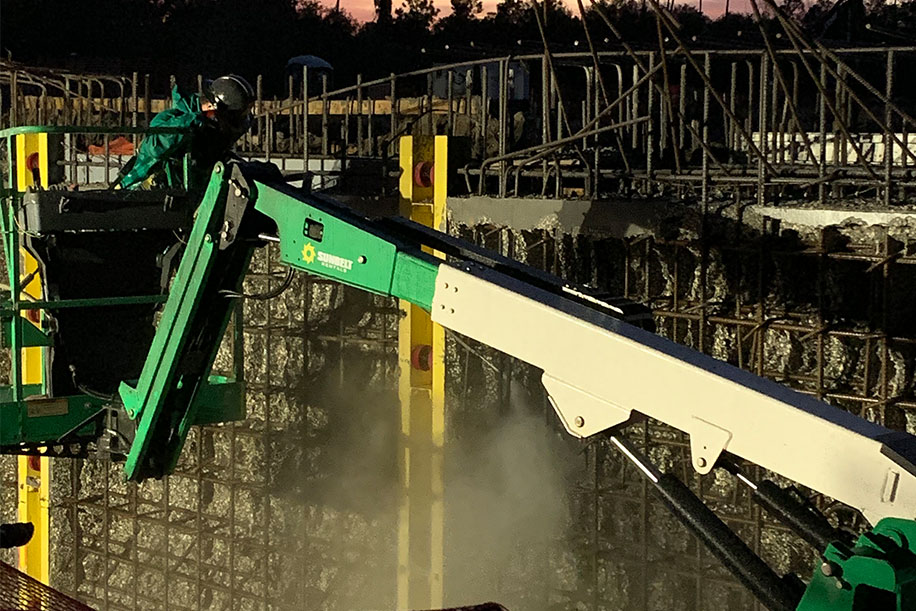
A successful hydrodemolition plan starts with the structure and repair goal. The scope should define removal depth and surface profile requirements.
Project teams should review several factors before scheduling work:
- Concrete condition and removal depth
- Rebar layout and corrosion level
- Access for robotic or handheld equipment
- Water supply and wastewater controls
- Debris collection and disposal
- Shutdown needs and site safety rules
These details help determine the right equipment and work method. They also help reduce delays once crews reach the site. Hydrodemolition works best with a clear repair specification.
Why Experience Matters
Hydrodemolition uses powerful equipment and technical judgment. The right crew must understand concrete behavior and water jet control.
Experienced operators can adjust the process as site conditions change. That can help protect sound concrete and support consistent removal.
Clean Sweep Hydroblasting brings over 30 years of combined hydroblasting experience to specialty work. Our company prioritizes safe methods and custom solutions for unique jobs. We also understand that each project needs a practical approach.
When experience matters, call Clean Sweep Hydroblasting. The right hydrodemolition plan can help extend infrastructure service life and support a stronger repair.
Choose Clean Sweep Hydroblasting for Hydrodemolition Services
Infrastructure projects need controlled removal and reliable surface preparation. Hydrodemolition offers benefits for infrastructure projects and concrete repair across bridges and industrial sites.
Clean Sweep Hydroblasting provides hydrodemolition services for complex commercial and industrial projects. Contact Clean Sweep Hydroblasting to discuss the scope and plan a safe approach for concrete removal.