A hydroblasting robot doesn’t decide what belongs on a concrete surface. By utilizing robots in hydroblasting services, trained operators can automate controlled water-jet movement across demanding work areas. Explore how this technology supports tasks ranging from surface preparation to selective concrete removal.
Robotics Changes Water Jet Movement
Robotic hydroblasting equipment, like the AquaJet AquaCutter, acts as a controlled water-jet platform. A tracked machine or mounted system carries the blasting lance across a defined work area. Skilled operators program every detail from traverse speed, cutting width and the jet’s angle through the robot’s control system.
Once an operator establishes the settings, the machine repeats the selected movement across the surface following a consistent pattern. Robotic systems sweep a jet in straight lines or other programmed paths depending on the equipment. Some machines accept rotary heads or specialized attachments suited to shallow removal and profiling work. The result is a mechanical system managing movement as the water stream performs the removal task.
Automation doesn’t mean the equipment interprets every condition on its own. Operators evaluate the work area, determine the required pressure and water flow, and inspect progress as removal continues. Robotic movement simply provides another method of controlling the jet across a planned section of material.
 Surface Preparation Uses Controlled Coverage
 Surface Preparation Uses Controlled Coverage
Coatings and weakened surface material will not disappear evenly across a large concrete area. Robotic equipment addresses this challenge by moving the water jet through repeated passes with established travel settings. The process removes existing coatings or shallow layers of concrete. It roughens the exposed substrate to create a textured bonding surface so a new coating or overlay may be applied.
Rotary water-jet heads expand this capability on projects where crews want broad and systematic coverage. Robotic surface preparation tools use rotating spray bars to clean and roughen concrete. Automated systems can travel along programmed lines or curves during coating removal and concrete preparation. These configurations show how robotic motion supports surface work without changing the basic action of hydroblasting.
A concrete substrate sometimes contains weak material beneath a coating or near the exposed face. Removal exposes the underlying condition before rehabilitation proceeds. A robotic carrier directs the jet through a controlled travel pattern across those areas and supports consistent treatment across the selected section. Repeated movement lets the machine cover a planned area as the operator supervises each pass.
Hydrodemolition Targets Deteriorated Concrete
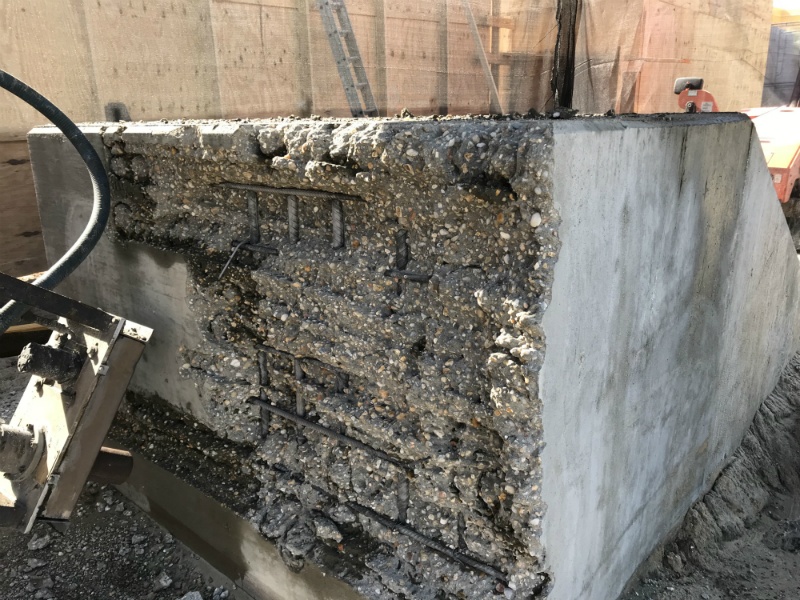
Concrete rehabilitation presents a different objective from coating removal. Some projects involve removing unsound concrete to a planned depth without sacrificing sound material or existing reinforcement. Hydrodemolition robots direct high-pressure water into the concrete surface until deteriorated material breaks away. The machine then advances the jet across the programmed treatment area.
Water attacks cracks and pores inside damaged concrete without relying on repeated mechanical impacts. The process exposes reinforcing steel and leaves the bars in place. Skilled operators will use robotic carriers to control nozzle movement and cutting depth across bridge decks or parking structures.
Projects involving selective removal benefit from robotic hydrodemolition because the goal isn’t to break apart as much concrete as possible. With the controlled water-jet movement, the equipment removes the designated material and preserves the surrounding structure while leaving the substrate ready to receive a new coating.
Remote Operation Changes Crew Positioning
A high-pressure water jet carries substantial energy at the nozzle. Crews working around an active hydroblasting stream must maintain a safe distance to protect themselves from the water jet, flying debris, and removed material. Robotic systems have similar limitations but the blasting head allows for crews to continue to work within the work area. At the same time, operators control the equipment from a remote location. This arrangement places the machine between personnel and the active jet, allowing the system to perform repeated passes without requiring someone to hold the lance directly.
Remote operation doesn’t eliminate the hazards associated with hydroblasting. High-pressure hoses, moving machinery, water discharge, and loosened material remain part of the work environment. However, separating personnel from the blasting head reduces the need for direct physical handling during automated passes.
This separation proves useful across broad surfaces where a robot repeats a programmed movement through an extended section. The machine can maintain a planned travel pattern while operators respond to changing conditions.
Operators Direct the Automated Process
 Operators Direct the Automated Process
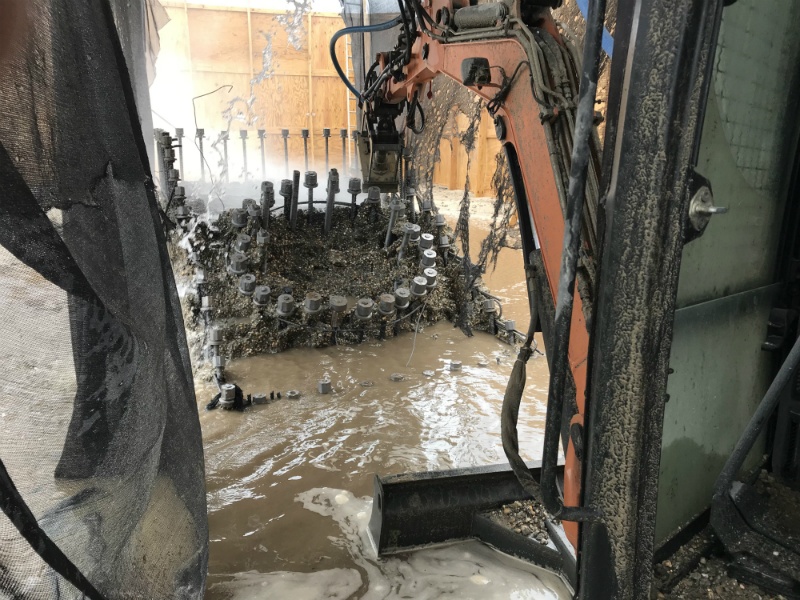
Automated movement follows parameters people select. An operator determines settings, such as jet angle and travel speed. Crews position the robot in relation to the treatment area before initiating a programmed pass. Once movement begins, the operator watches the result and inspects the exposed surface.
Conditions across a work area vary, even when the material appears uniform. Concrete strength sometimes changes from one section to another. Coating thickness and previous repairs influence how a water jet interacts with the surface. Those differences make human observation essential to the project.
Project Specifications Shape the Type of Equipment
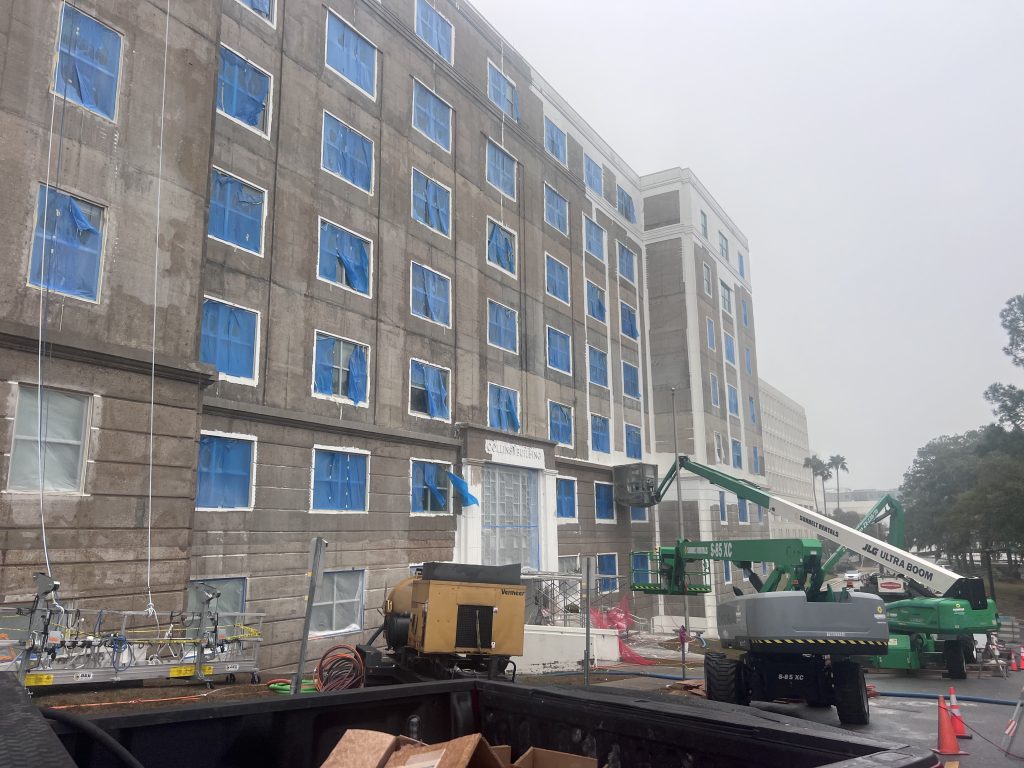
The work area’s layout plays a major role in determining which robotic hydroblasting system fits the project. Tracked machines move efficiently across large, open slabs, while compact units provide sufficient access around slopes and confined openings. Some systems also use booms, rotating attachments, or extended arms to position the water jet where a standard machine or mechanical method would not be able to operate.
Equipment selection also depends on the material and the type of removal required. A contractor may use one attachment for coating removal and surface profiling and another for concrete removal and cutting. Interchangeable arms and blasting heads allow certain robotic platforms to adapt to different surface conditions and treatment patterns.
On demanding projects, contractors may combine robotic movement with ultra-high-pressure hydroblasting to remove coatings or prepare concrete for a new application. The machine guides the jet across the surface, while trained personnel select the operating parameters, monitor the results, and account for changing conditions. This combination helps align the equipment with both the project’s physical access requirements and the material targeted by the water stream.
Experience Guides Robotic Hydroblasting Work
Robotics expand the ways contractors may position and control high-pressure water across demanding surfaces and location. However, the technology works best as part of an experienced hydroblasting operation. Understanding robots in hydroblasting services means recognizing the relationship between specialized machinery and the people who configure it.
Clean Sweep Hydroblasting uses robotic tools where possible in surface preparation and heavy civil work. The family-owned company handles coating removal, concrete profiling, and bridge-deck resurfacing and repair with project-specific hydroblasting systems. When experience matters on a specialized surface project, contact Clean Sweep Hydroblasting to discuss the equipment and approach suited to the work area.