Surface preparation is the first step to determining coating performance. Business owners and facility managers need a method that removes old or failed coatings without creating avoidable damage.
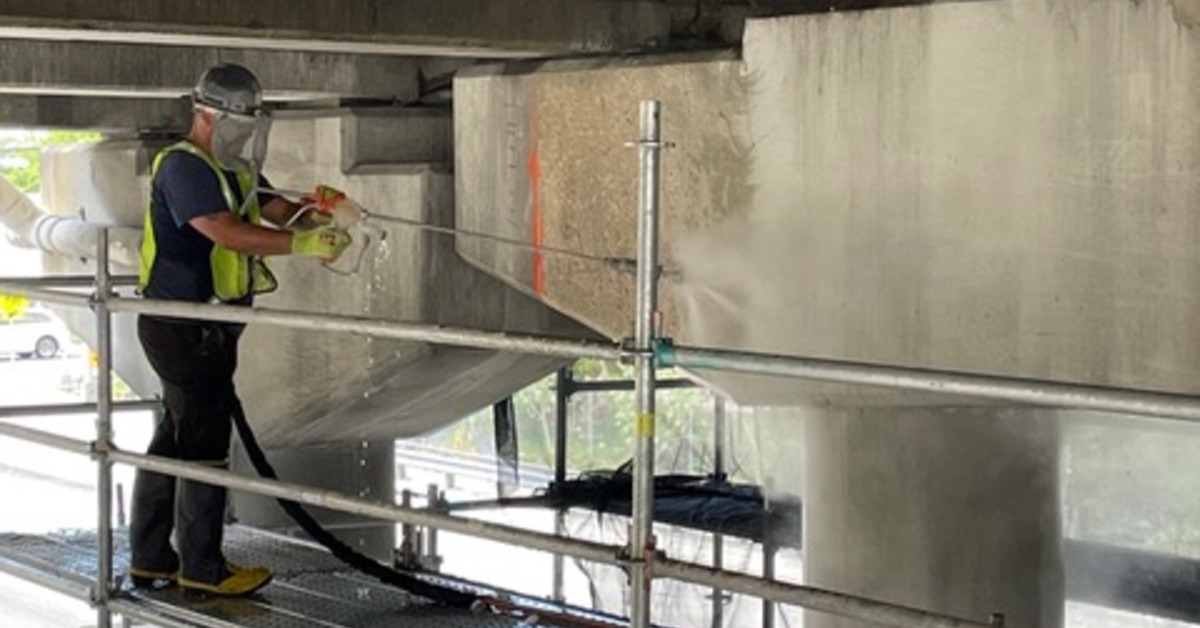
Hydroblasting uses controlled, ultra-high pressure water to prepare concrete and steel surfaces for repair or coating work. The method can support project specifications tied to ICRI and SSPC/NACE standards.
These standards help define what the surface must look like before a coating or repair material goes down. Hydroblasting surface preparation helps meet ICRI and SSPC/NACE standards through pressure control and experienced inspection – keep reading to learn more.
Why Surface Preparation Standards Matter
Coatings fail when surface preparation falls short. Even premium coating systems can lose adhesion when crews leave laitance or contaminants behind. Standards reduce guesswork during planning and inspection, and they give owners and contractors a shared way to define the required surface condition.
Several standards are used to guide surface preparation:
- ICRI (International Concrete Repair Institute) standards often guide concrete preparation;
- SSPC (The Society for Protective Coatings) standards were often used to guide steel cleaning and coating preparation;
- NACE (National Association of Corrosion Engineers) standards were often used guide steel cleaning and coating preparation; and
- AMPP (Association for Materials Protection and Performance) standards are often cited for steel cleaning and coating preparation since 2021 when SSPC and NACE merged their standards programs to form AMPP.
Many specifications for the engineer and product manufacturer will reference ICRI standards for the preferred surface profile and AMPP (SSPC and/or NACE) standards for application requirements. In some cases, the engineer may limit the pressure to 20,000 PSI, which requires professional hydroblasting service to rely on their specific knowledge of the types of tools they can use to achieve required profile. A professional hydroblasting service must be able to read the project specifications and the product specifications before choosing pressure and tooling.
The goal does not involve maximum pressure; it is producing the required profile and cleanliness level while protecting the substrate and surrounding facility.
How Hydroblasting Supports ICRI Concrete Surface Profiles
ICRI guidance helps define concrete surface profile requirements. These profiles describe texture levels that support adhesion for coatings and repair materials. And it is no secret that ICRI’s preferred method of surface preparation and concrete remediation is hydroblasting and hydrodemolition.[1]
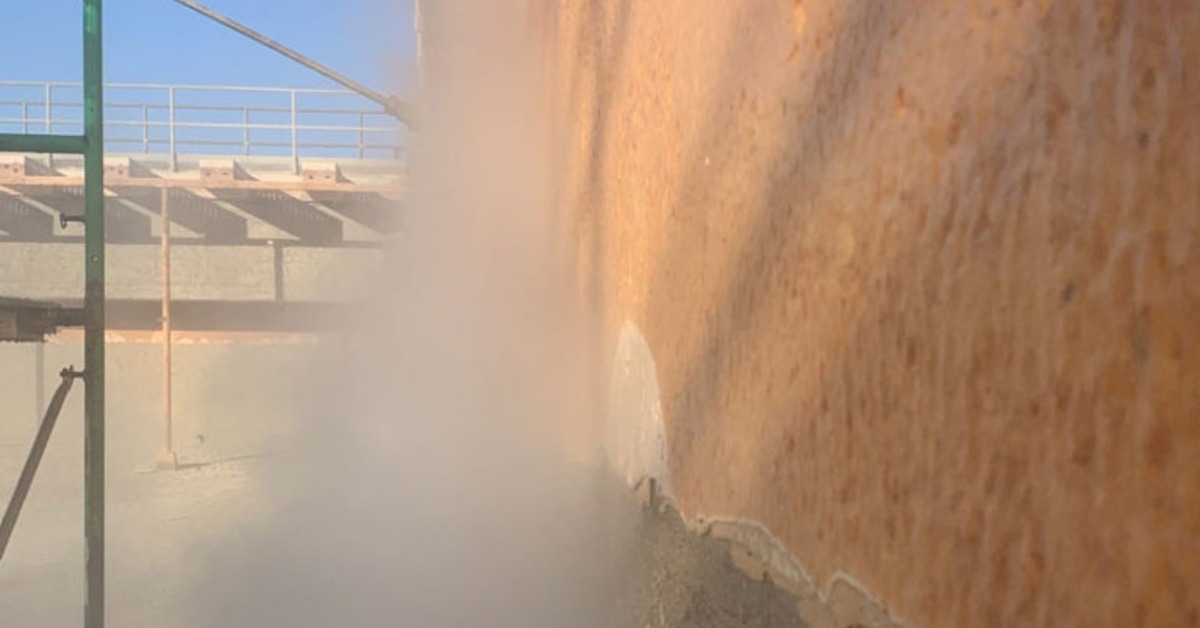
Hydroblasting can remove everything from weak, failed coatings to heavy cementitious overlays to expose the sound stucco and concrete below. It can also create a profile that helps a repair system bond to the prepared surface.
Concrete work requires careful pressure selection. Too little pressure may leave weak material in place. However, too much pressure can remove more concrete than the specification allows. A trained crew adjusts pressure, flow, and tools based on concrete strength and repair goals.
ICRI profile targets often vary by coating or overlay type. Thin sealers may need a lighter profile. Thicker overlays may need a more aggressive surface profile. Hydroblasting gives crews control when the project requires selective removal or consistent texture.
 Common Prep Targets Hydroblasting Can Address
 Common Prep Targets Hydroblasting Can Address
Surface preparation projects often include more than one performance goal. Hydroblasting can support those goals when crews match equipment setup to the standard.
Common targets include:
- Failed coating removal
- Metal corrosion cleaning
- Weak concrete and/or stucco removal
- Spall identification
- Dust reduction
- Desired surface profile for adhesion
- Soluble contaminant washing
- Sensitive area preparation
These targets require planning before work begins. A professional crew should review coating data sheets and inspection requirements.
The Role of Pressure and Flow
Hydroblasting requires more than turning up pressure. Pressure affects cutting force at the surface. Flow affects the volume of water that carries removed material away. A high-pressure unit with low flow may cut aggressively in a narrow path.
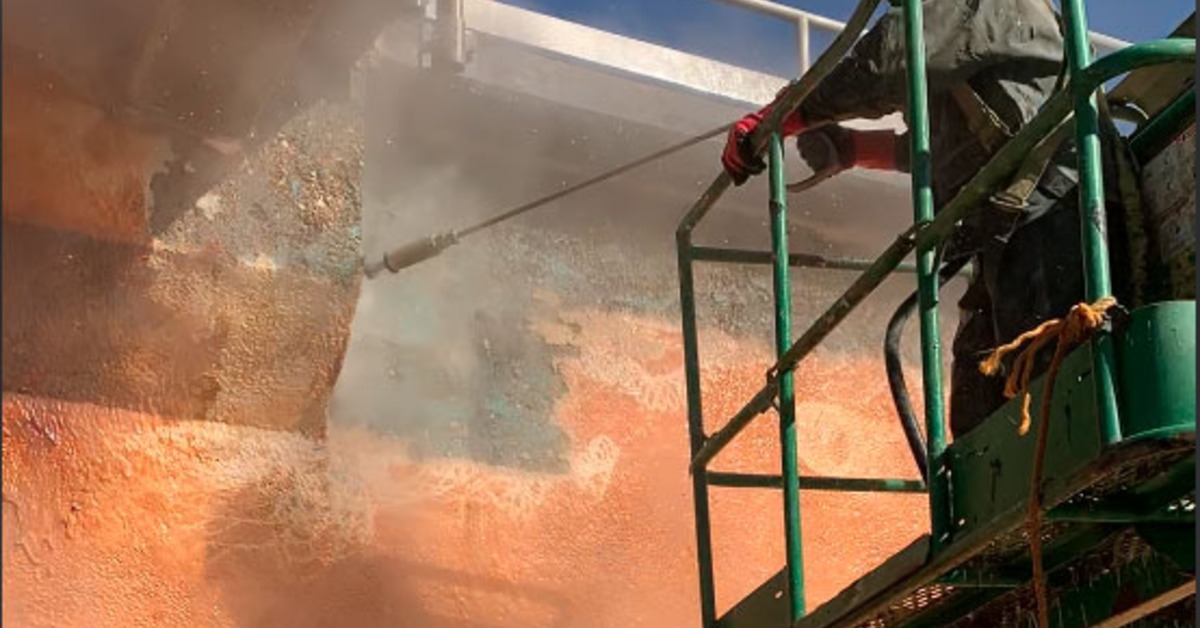
Rotating tools and fan tips each produce different removal patterns. Professional crews select tools based on the required standard. They also consider access limits and wastewater control.
Inspection and Verification After Hydroblasting
Surface preparation standards only help when the finished surface gets verified. Inspection should occur before coating or repair materials cover the work.
Concrete surfaces may need profile checks against project requirements. Crews may also check for remaining weak material or unsound edges. Steel surfaces may need visual inspection for cleanliness. Moisture control matters after hydroblasting.
Crews must allow the surface to reach the coating manufacturer’s acceptable condition before application. For example, many specifications define acceptable flash rust levels before coating. A hydroblasting service should coordinate with inspectors and coating contractors before work begins to avoid disputes after production starts.
Safety and Environmental Considerations
Hydroblasting uses water instead of abrasive media, eliminating dust and abrasive cleanup in many work settings. The method still requires strict safety controls. Work planning should include barricades, protective equipment, trained operators, and emergency procedures.
Water management also matters. Removed coatings and concrete slurry may require collection and proper disposal. Containment must match the work area and the material being removed. Facilities with sensitive drains or process equipment need clear controls before blasting begins. A trained hydroblasting team will be able to assess these needs and offer solutions like full vacuum recovery to help mitigate these concerns.
A professional crew should treat safety and production as connected goals. The right setup protects workers and supports a cleaner finished surface.
When Hydroblasting Is the Right Prep Method
Hydroblasting works well when a project needs controlled removal. It also helps when dust reduction or abrasive containment creates project challenges.
Facility owners often choose hydroblasting for concrete repair preparation. It is becoming the preferred method of coating removal. They also use it steel cleaning when project specifications allow waterjetting.
Some coating systems require a new angular profile on steel. In those cases, engineers may require abrasive blasting or another approved method. A qualified provider should identify that requirement and compare with standards before mobilization.
Why Experience Matters for Standards-Based Prep
Standards do not replace field judgment. They define the target and help guide inspection. Experienced hydroblasting crews know how water pressure and flow interact with different substrates. They also understand how tooling changes the finished profile.
That experience matters when concrete strength varies across a slab. It also matters when existing steel profile must stay intact.
Clean Sweep Hydroblasting brings technical experience to surface preparation projects that demand control and consistency. Our team provides hydroblasting and surface preparation for residential, commercial, heavy civil, and industrial work.
Our company also handles specialty projects that require custom planning and practical problem solving. This approach helps owners and contractors meet project goals without a one-size-fits-all process.
Build Surface Prep Into the Project Plan
 Build Surface Prep Into the Project Plan
ICRI and SSPC/NACE standards give hydroblasting surface preparation projects a clear target. Hydroblasting helps reach that target when crews choose the right pressure and tools. Business and facility owners should address preparation requirements early. That step helps reduce coating failures and repair delays.
For standards-based hydroblasting surface preparation, contact Clean Sweep Hydroblasting. When experience matters, call a team that understands surface preparation from specification review through final cleanup.
- . Nittinger, B. (2001). Concrete surface preparation using hydrodemolition. Concrete Repair Bulletin, 6-7. International Concrete Repair Institute. https://www.icri.org/wp-content/uploads/2024/04/CRBJanFeb01_Nittinger.pdf?__cf_chl_f_tk=yq.idR6LSpg.dPmIAdyGhv2lTgrZF0Jn1jrzmR1qIx0-1783363455-1.0.1.1-Hu527sZKkhTuXSdYk_xXSrDZRV6p0PNtRJlpQACorHA ↑