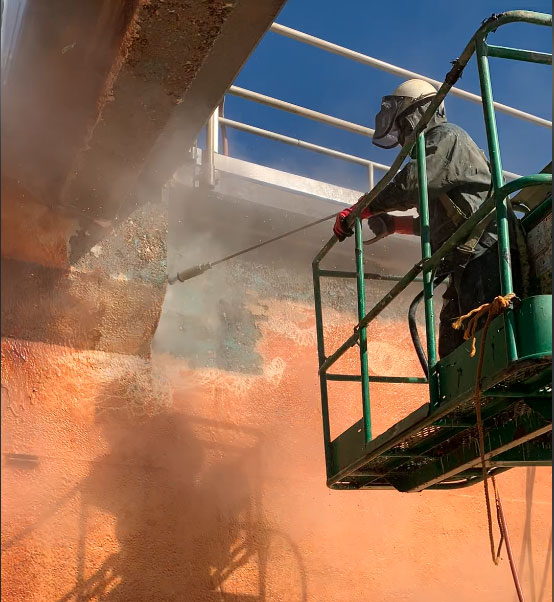
Hydroblasting can remove coatings and deposits with controlled water pressure. It can also remove concrete and industrial residue.
Strong project planning helps crews work faster while protecting nearby assets. Effective planning also reduces avoidable delays. Industrial facilities and business owners should treat hydroblasting as a coordinated production activity. Keep reading for a general overview to planning a hydroblasting project for maximum efficiency in your facility.
Define the Project Scope Before Scheduling
A clear scope gives the service team a measurable target. It should identify each surface and the material that requires removal. A precise scope helps prevent misunderstandings after work begins.
The scope should define the main service objective. That objective may involve cleaning or coating removal. It may also involve surface preparation or hydrodemolition. Each objective requires a different pressure range and production method.
Project leaders should document the work area with photos and current site drawings. This step helps the hydroblasting team estimate access needs.
Inspect the Site and Identify Constraints
A site review helps uncover issues that could slow production. Common constraints include limited access,active operations, and unknown conditions in the substrate. Sensitive equipment or restricted drainage can also affect the plan. Early identification gives the project team time to prepare controls.
The review should confirm where the crew can stage pumps and support equipment. It should also identify safe hose routes and protected travel paths. Overhead work may require lifts or scaffolding. Confined spaces may require permits and additional ventilation controls.
Nearby electrical systems need special attention. Crews should isolate vulnerable equipment before water enters the work area. The site plan should also establish clear boundaries to workers and nearby operations.
 Confirm Water Supply and Wastewater Controls
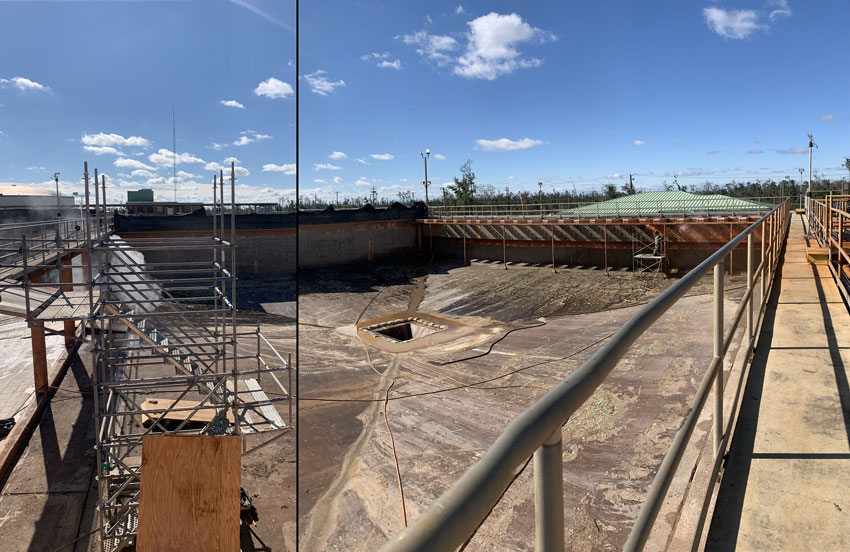 Confirm Water Supply and Wastewater Controls
Hydroblasting depends on a reliable water source. The project plan should confirm available flow and pressure before the service date. A weak supply can interrupt production and reduce equipment performance. Storage tanks or supplemental pumps may solve this problem.
Wastewater planning matters just as much as water supply. The team should determine how crews will capture water and removed material. Containment may involve berms, filtration, and/or vacuum recovery. Filtration and temporary collection tanks may also support the plan.
Disposal requirements should match the removed material and site rules. The facility should confirm approved disposal methods before work begins. Testing may be necessary when coatings contain regulated substances. Early testing helps prevent unexpected disposal costs or work stoppages.
Select the Right Pressure and Tooling
Higher pressure does not always produce better results. The correct setup matches the material and protects the underlying surface.
Lower pressure may remove loose residue or surface contamination Ultra-high-pressure equipment may remove durable coatings or deteriorated concrete. But there are other factors like the rate of flow and type of jetting that can impact the rate of pressure. Tooling also affects production speed. Rotary heads can cover broad surfaces while focused nozzles can address narrow areas.
Remote systems may improve consistency in large work zones. They can also reduce operator exposure during demanding applications.
Clean Sweep Hydroblasting has developed equipment for specific project conditions. That capability supports efficient work when standard tooling does not fit the site. Custom equipment can improve reach or control. It can also reduce repeated setup during specialty projects.
Build a Practical Work Sequence
The work sequence should reduce equipment movement and avoid repeated setup. It should also separate completed areas from active blasting zones.
Project leaders can divide the site into manageable sections. Each section should have a clear start point and completion standard.
A strong sequence often includes these steps:
- Isolate the first work area.
- Install containment and protection.
- Position equipment and route hoses.
- Confirm processes.
- Complete blasting in planned passes.
- Recover water and removed material.
- Inspect the finished surface.
- Release the area for the next trade.
This sequence creates a repeatable process. It also helps supervisors track progress during long projects. A consistent process makes production rates easier to measure. It also helps the team identify delays before they affect the full schedule. This all hinges on effective management, skill, and communication.
Coordinate With Facility Operations
Hydroblasting often takes place near active production. Early coordination helps reduce disruption and protect critical operations.
The facility should identify shutdown windows and restricted work periods. The hydroblasting schedule should align with those limits.
Project managers should notify nearby departments about noise and access changes. Clear communication prevents unnecessary interruptions. Some work may occur during nights or weekends. Off-hour scheduling can improve access and reduce conflicts with daily operations.
The team should also coordinate with other contractors. Clear sequencing helps prevent trades from competing for the same work area.
Prepare the Work Area Before Mobilization
Site preparation should happen before the hydroblasting crew arrives. Delayed access can increase labor costs and reduce productive blasting time.
The facility should remove movable equipment and stored materials. Access points should remain open for pumps and recovery equipment. Loading zones should also remain clear during setup.
The project team should confirm power needs for support equipment. It should also verify lighting for enclosed or off-hour work.
It’s also important to acquire all the necessary permits before mobilization. Site contacts should also remain available for access or operational questions.
Establish Safety Controls and Responsibilities
Hydroblasting uses powerful equipment that requires trained operators. The safety plan should define roles and site controls before work begins. The plan should cover exclusion zones and communication methods. It should also address hose management and emergency shutdown procedures.
Facility representatives should explain site hazards during orientation. The hydroblasting supervisor should explain the work process and control measures. Daily briefings help crews adjust to changing conditions. They also keep operations staff aware of active work areas.
Plan for Inspection and Quality Control
Inspection should occur throughout the project. Waiting until the end can allow small problems to affect large areas.
Supervisors should compare completed sections with the stated acceptance standard. They should also check for missed coating or unwanted surface damage.
Surface preparation projects may require profile testing or cleanliness checks. Hydrodemolition projects may require verification of removal depth. Some projects also require inspection of exposed reinforcement. The project scope should define these requirements before production begins.
Choose an Experienced Hydroblasting Partner
An experienced provider can identify efficiency issues before mobilization. That support often improves equipment selection and work sequencing. Clean Sweep Hydroblasting brings more than 30 years of combined industry experience. Our family-owned company supports industrial and commercial projects in many locations.
The right industrial water blasting service should match equipment to each surface and site condition. It should also provide clear planning support from scope review through final inspection.
Experience matters when projects involve unusual access or demanding removal requirements. A knowledgeable team can develop practical solutions before those conditions create delays.
Improve Project Efficiency With Better Planning
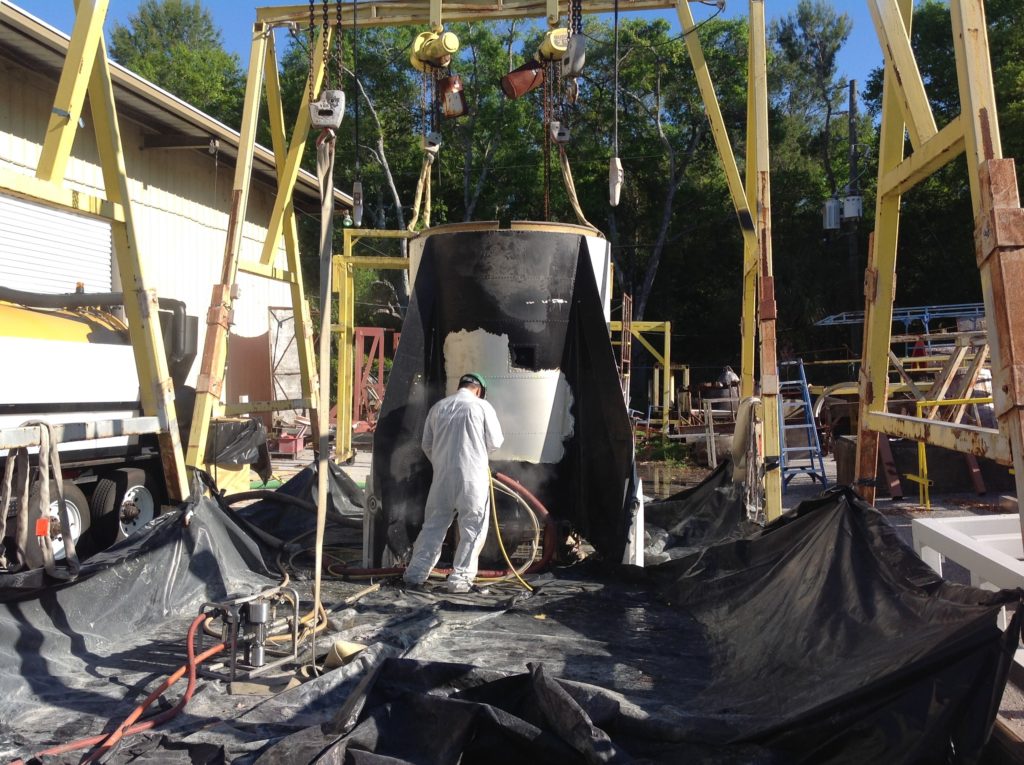 Improve Project Efficiency With Better Planning
Efficient hydroblasting planning and strong site coordination before a project help crews maintain steady production. Water planning and proper containment also reduce delays. Suitable equipment and practical sequencing support consistent results.
When experience matters, contact Clean Sweep Hydroblasting to plan a safe and efficient project. Our team can assess site conditions and recommend a hydroblasting approach that supports schedule goals.