
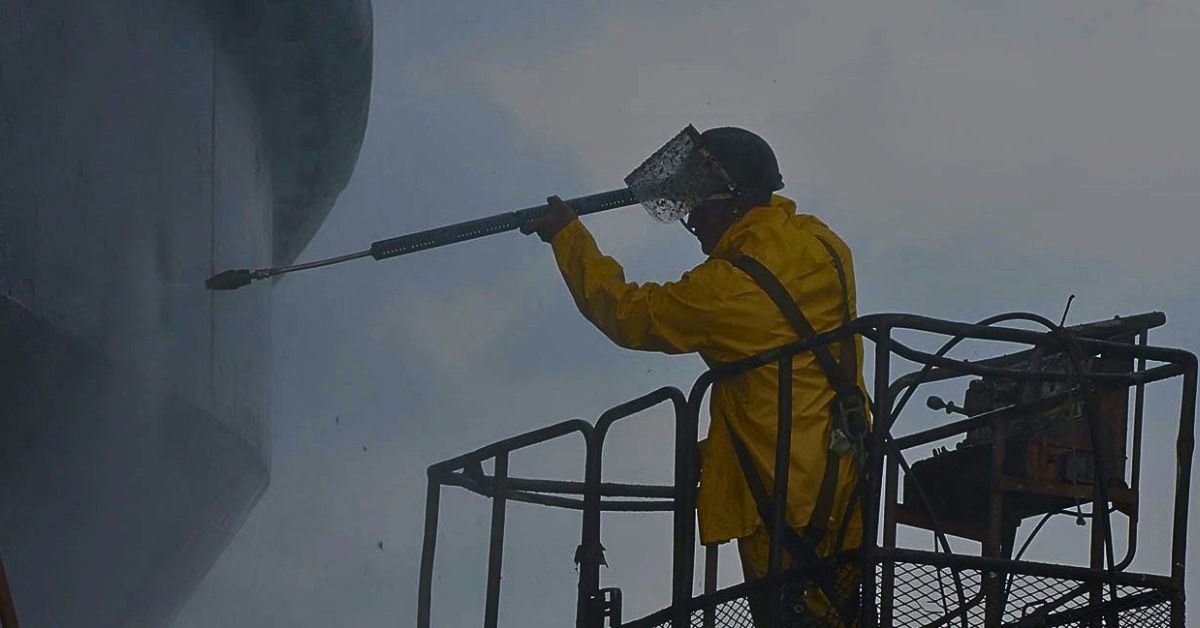
Ultra-high-pressure water blasting plays a specialized role in surface cleaning, coating removal, and material preparation. In UHP blasting, two core factors drive performance: pressure and water flow rate.
Pressure determines the force delivered to the surface. Flow rate determines how much water reaches the work area over a set period of time. Effective blasting requires the right balance of both variables for the material and the jobsite conditions.
Understanding the role of flow rate and pressure in UHP blasting helps explain why some surfaces need precision instead of maximum output. It also shows why experienced operators make equipment adjustments based on the task, not just the highest rating on the pump. Keep reading to learn how to distinguish the two and understand the range for your project.
What UHP Blasting Means
UHP blasting refers to water blasting performed at extremely high pressures, often for industrial-grade cleaning and surface preparation. This process removes coatings, corrosion and buildup without relying on abrasive media in many applications.
Unlike standard exterior washing, UHP blasting handles demanding work that requires control and surface-specific planning. That difference matters when concrete, steel, coatings, or sensitive substrates are involved.
Why Pressure Gets So Much Attention
Pressure measures the force of water as it exits the nozzle. That force gives UHP blasting the ability to break bond lines, strip away materials, and clean tightly adhered contaminants.
Higher pressure increases the cutting and removal capability of the water stream. It helps operators remove hard coatings, prepare concrete surfaces, and clean heavy industrial deposits with greater efficiency.
Still, pressure alone does not define job quality. Excessive pressure on the wrong surface can damage sound material, widen cracks, or remove more than the job requires.
 Why Flow Rate Matters Just as Much
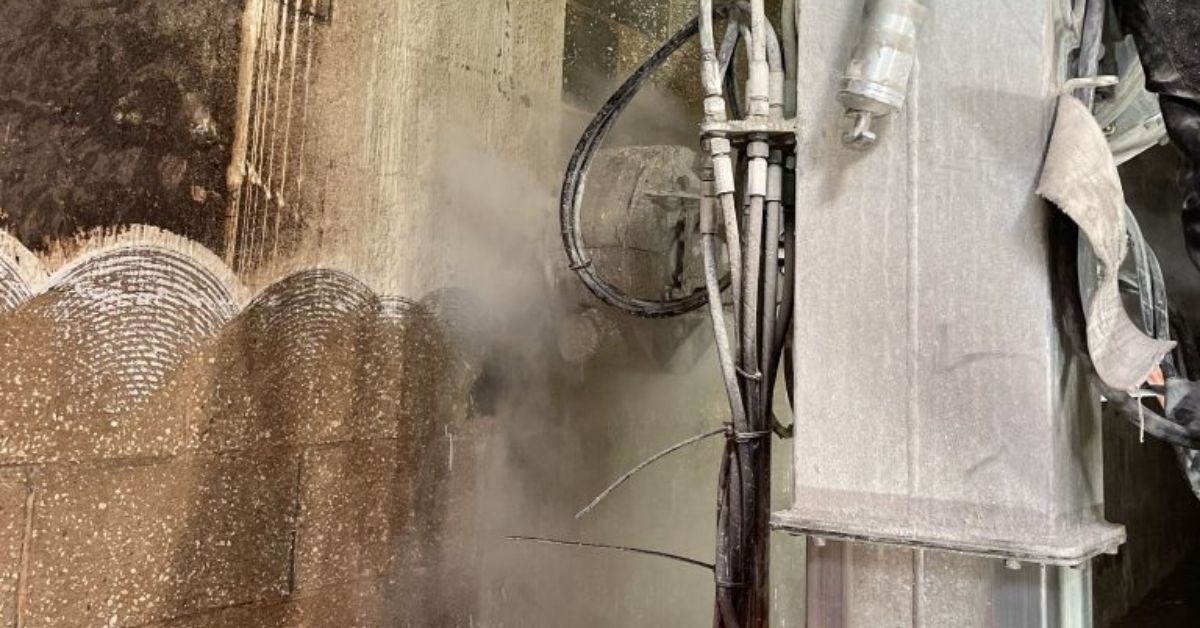 Why Flow Rate Matters Just as Much
Flow rate measures the volume of water delivered, usually in gallons per minute. This number affects production speed, rinsing ability, debris removal, and the overall efficiency of the blasting process.
A system with high pressure and low flow may cut aggressively but strip more slowly across larger areas. A system with the right flow can move debris away from the surface and maintain steady productivity.
Flow rate also affects how the water stream behaves during operation. On broader cleaning tasks, enough volume helps maintain consistent results across the entire work surface. This factor becomes especially important when operators need to remove softened coatings, slurry, residue, or loose material after the water stream breaks it free.
Pressure and Flow Work Together
In practice, pressure and flow rate combine to determine impact, cleaning speed, and surface response. Pressure drives penetration and bond-breaking force. Flow rate supports coverage, flushing, and sustained productivity across the target area.
UHP Blasting plays a specialized role in surface cleaning, coating removal, material preparation, and concrete cutting with performance driven by two core factors: pressure and water flow rate. This relationship is why two systems with different specifications can perform very differently on the same project. One machine may remove material faster, while another may leave a cleaner finish or manage debris more effectively.
The best setup depends on the job objective. Coating removal or surface preparation may appear the same but each call for a different pressure-and-flow combination.
How Operators Match Settings to the Surface
Successful UHP blasting starts with surface evaluation. Operators look at the material type, its condition, the thickness of the buildup, and the level of removal needed.
Concrete surfaces often require a controlled approach that removes weak material while preserving sound substrate. Steel and coated surfaces may need different settings depending on whether the goal is cleaning, profiling, or full coating removal.
An experienced blasting contractor adjusts jewel sizes, nozzle selection, pressure, and flow rate to fit the task. That level of control separates professional hydroblasting from basic pressure washing.
Common Results Affected by Pressure and Flow
The balance between pressure and flow influences several visible outcomes on a project. These include cleaning power, removal rate, finish consistency, and risk control.
- Faster removal of coatings and buildup
- Better rinsing and debris evacuation
- More consistent surface preparation
- Reduced chance of unnecessary substrate damage
These outcomes matter because project success is not only about removal. The surface must also meet the requirements for the next step, whether that means recoating, repair, or continued service.
The Risk of Too Much Pressure
Too much pressure can create avoidable problems. Water can cut deeper than intended, erode sound material, or leave the surface uneven.
On concrete, overaggressive blasting may remove solid material that should remain in place. On coatings or finished surfaces, it can strip beyond the target layer and complicate restoration work.
Experienced crews like Clean Sweep Hydroblasting control the force to match the task. That approach protects the structure while still delivering the cleaning or preparation result the project needs.
The Risk of Too Little Flow
 The Risk of Too Little Flow
Insufficient flow creates a different set of problems. The water stream may hit hard enough to loosen material, but the job can stall if the system cannot clear residue efficiently.
That delay affects productivity and can leave a messy or inconsistent finish. In surface preparation work, leftover debris can interfere with inspection or follow-up treatment.
This is one reason equipment selection matters so much. The pump, hose, nozzle, and operating settings all influence how well pressure and flow translate into real job performance.
Nozzles and Equipment Also Shape Performance
Pressure and flow rate don’t work in isolation; the tools matter Nozzle design, jewel size and type, tool selection,hose type, and equipment condition all influence how the water reaches the surface.
A properly selected tool from connection to jewel helps direct the water for the intended result. Some jobs require concentrated impact, while others require wider coverage and controlled removal.
Pump reliability also matters because inconsistent output leads to uneven blasting. Stable performance supports consistent cleaning and more predictable surface preparation.
Experience Drives Better Blasting Decisions
UHP blasting requires technical judgment at every stage. Operators must understand how pressure, flow, surface condition, and nozzle setup interact under real conditions.
That level of expertise affects safety, performance, and project cost. It also affects whether the final result meets the intended purpose without creating unnecessary damage.
Clean Sweep Hydroblasting is an experienced, family-owned hydroblasting company that delivers customized solutions and environmentally friendly water blasting for demanding projects. Our experts focus on hydroblasting, surface preparation, hydrodemolition, and ultra-high-pressure hydroblasting, with safe and effective project execution and environmentally friendly water-based methods. We provide more than 35 years of combined industry experience, a family-owned approach, and customized service for specialized projects.
The role of water flow rate and pressure in UHP blasting comes down to balance, control, and application-specific planning. Pressure provides force, while flow rate supports coverage, flushing, and efficiency.
When both factors align with the surface and the project goal, UHP blasting can deliver precise, effective results. When experience matters, call Clean Sweep Hydroblasting to discuss hydroblasting, surface preparation, and specialty water blasting solutions.