Business owners often hear the term “hydrodemolition” and assume it applies only to large infrastructure jobs. In reality, hydrodemolition works across many commercial and industrial settings where concrete removal must happen without creating unnecessary disruption. Get a better idea of what hydrodemolition is and when it is necessary for a project.
What Is Hydrodemolition?
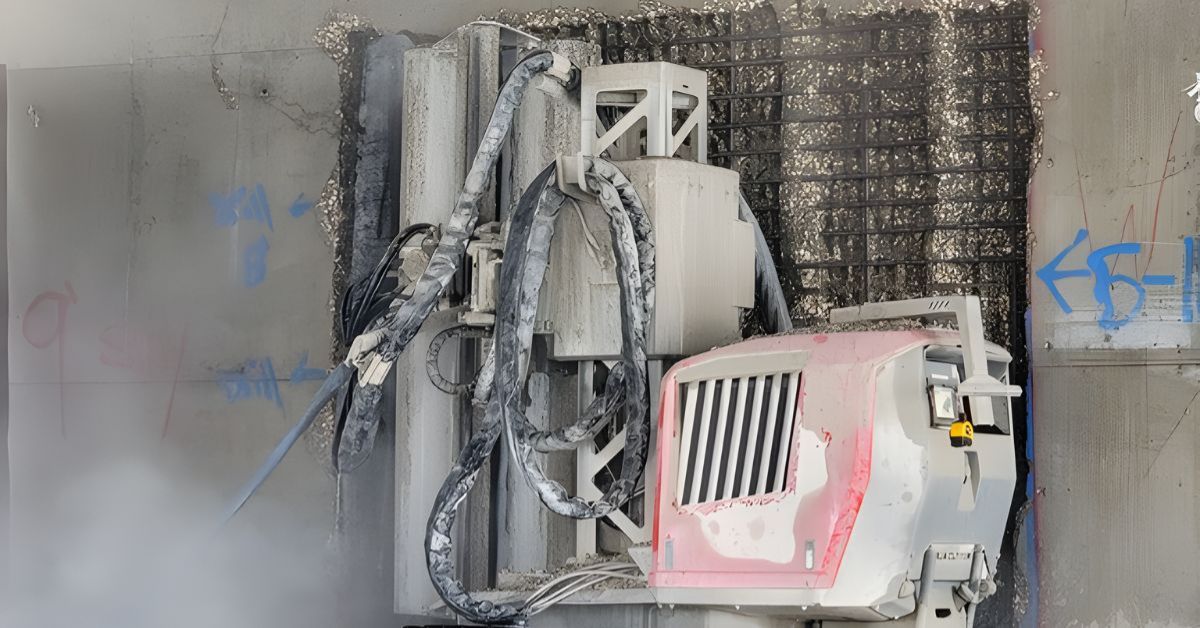
Hydrodemolition is the process of removing concrete with high-pressure water. It gives contractors and property owners a controlled way to remove old or defective overlays, break out damaged concrete, and/or scarify existing concrete without using “traditional” impact tools that create extra vibration, dust, and unintended damage.The process supports structural repair, surface preparation, and selective demolition. It fits projects that require accuracy, clean removal, and a method that protects surrounding areas as much as possible.
How Hydrodemolition Works
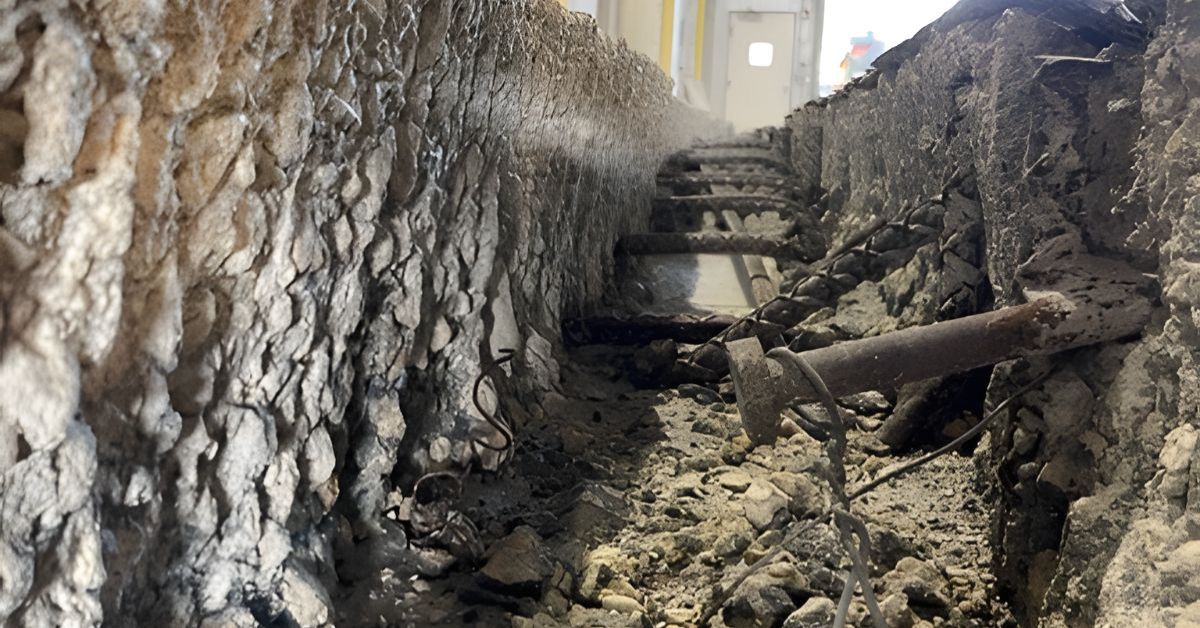
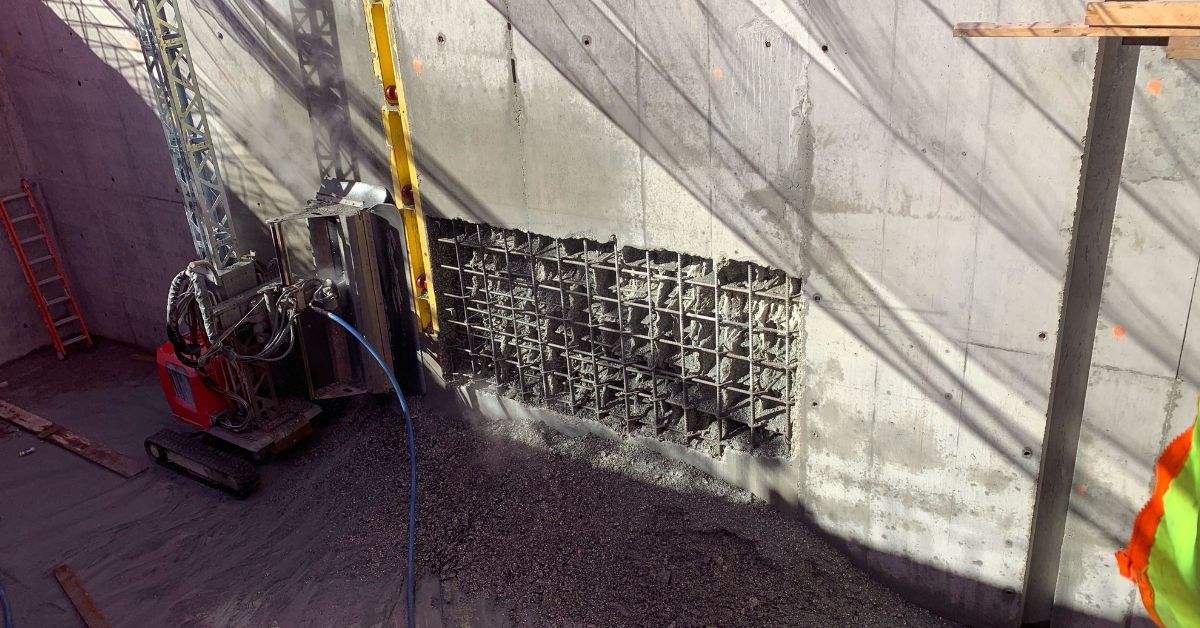
Hydrodemolition uses ultra-high-pressure water to remove unsound or unwanted concrete, asphalt, or grout while leaving sound concrete in place when the equipment settings and operating method match the job. The water stream penetrates the existing cracks in the weakened material and causes internal pressure that breaks it apart; creating a clean, roughened, and superior bonding surface for the new material..
That level of control matters on repair projects. Crews can target specific depths and areas which eliminates the common pitfall of having to remove more material than necessary and increasing labor, disposal, and repair costs.
The process allows for rebar (at all depths and mats) to be exposed without the same level of mechanical shock associated with jackhammers and similar tools. That benefit helps preserve structural components, creates a better surface profile for bonding new repair material, and mitigates the costs of labor, disposal, and future repair.
Hydrodemolition nearly eliminates airborne dust when compared with many dry removal methods. For occupied facilities and controlled job sites, that can support cleaner operations and easier containment planning.
Why Contractors And Owners Choose Hydrodemolition
Concrete repair rarely benefits from rough removal methods when the goal is to preserve what still performs well. Hydrodemolition allows teams to remove deteriorated sections while maintaining the integrity of nearby sound concrete.
That selective approach improves the quality of the next phase. Repair crews can place new material against a properly prepared substrate instead of spending time correcting damage caused during demolition.
Owners also choose hydrodemolition when access, safety, and cleanup matter. A water-based removal process can simplify parts of the containment strategy and help crews manage debris in a more controlled way.
For commercial and industrial properties, speed alone should not drive the decision. Precision, reduced collateral damage, and better repair outcomes often deliver stronger value than a method that only looks faster at the start.
Key Reasons for Opting for Hydrodemolition:
- Superior Bonding and Structural Integrity: Hydrodemolition produces a high-quality, roughened surface (aggregate profile) that enhances bonding with new concrete, often doubling tensile strength. It eliminates micro-fractures in the remaining concrete, ensuring longer-lasting repairs.
- Speed and Efficiency: Hydrodemolition can be over 25 times faster than traditional mechanical breaking methods.
- Reduced Labor and Enhanced Safety: Robotic equipment reduces the need for manual, high-strain work, lowering labor costs and eliminating risks such as Hand-Arm Vibration Syndrome (HAVS) for operators.
- Cleanliness and Safety: The process is significantly quieter and generates far less dust than jackhammering, making it ideal for restricted urban or occupied sites.
- Selective Removal: The technology allows for precise removal of deteriorated concrete while leaving sound concrete intact.
- Rebar and Reinforcing Steel Preservation: It cleans reinforcing steel without causing reverberation.
 When Hydrodemolition Is Necessary
 When Hydrodemolition Is Necessary
Hydrodemolition becomes necessary when concrete shows deterioration that affects performance, safety, or long-term service life. That includes spalling, delamination, cracking, freeze-thaw damage, corrosion-related damage, and surface failures that prevent proper repairs.
It also becomes necessary when a project requires selective removal rather than full demolition. Parking structures, bridges, industrial floors, containment areas, marine structures, and process facilities often need targeted removal that protects adjacent material.
Another common trigger involves exposed or corroded reinforcing steel. When repairs must reach behind or around rebar without causing more damage, hydrodemolition can give crews the control needed to remove compromised concrete thoroughly.
Common Signs A Project May Need Hydrodemolition
Property owners and managers may not always know when to move from patching to more advanced concrete removal. Several conditions usually point toward the need for hydrodemolition.
- Widespread spalling or delamination in slabs, decks, or walls
- Corrosion around reinforcing steel
- Damaged concrete that extends below the surface
- Repair areas where adjacent sound concrete must remain intact
- Projects that need controlled removal with limited dust and vibration
These signs do not always mean every surface needs major removal. They mean the project deserves evaluation by an experienced contractor who understands selective demolition and repair preparation.
Projects That Benefit Most From Hydrodemolition Services
Hydrodemolition services make sense on projects where precision affects both cost and performance. Parking garages, bridges, wastewater facilities, industrial plants, warehouses, ports, and specialty commercial sites often fall into that category.
These environments usually involve structural concrete, embedded steel, tight schedules, and strict safety demands. A removal method that preserves sound material and prepares the surface correctly can reduce rework and improve the repair result.
Hydrodemolition also works well where crews must protect nearby equipment, utilities, or occupied areas. The ability to target removal helps limit the footprint of the demolition phase and supports better coordination with other trades.
Specialty projects benefit as well. When the work involves unusual geometry, access challenges, or unique performance requirements, experienced contractors can adapt equipment and methods to fit the job instead of forcing the job to fit a generic process.
Hydrodemolition vs. Mechanical Demolition
Mechanical demolition methods are still used in many projects, but have their downsides. Full removal, wide-open access, and less sensitive substrates may justify traditional tools when precision and substrate preservation matter less.
Hydrodemolition serves a different purpose. It focuses on selective removal, substrate protection, and cleaner preparation for repair materials rather than brute-force breakage.
That difference affects repair quality. Mechanical tools can create microfractures, overbreak, and extra damage around the work area, while hydrodemolition aims to remove only what needs to go.
What To Look For In A Hydrodemolition Contractor
 What To Look For In A Hydrodemolition Contractor
Not every contractor has the equipment, planning ability, or field experience to perform hydrodemolition correctly. Success depends on pressure and flow selection, containment planning, waste handling, crew training, and the ability to adjust to changing site conditions.
Experience matters because concrete conditions vary from one project to the next. Depth of deterioration, aggregate type, rebar placement, access limits, and production requirements all influence the correct approach.
Contractors should also understand the difference between demolition and repair preparation. Removing concrete is only part of the job, and the finished surface must support the next phase of work.
That is why owners and project managers should look beyond price alone. The right team protects the structure, keeps the job moving, and delivers results that support long-term performance. If you’re looking for a team that is experienced in a variety of hydrodemolition projects, trust Clean Sweep Hydroblasting.
Why Timing Matters
Waiting too long to address damaged concrete often expands the repair area. Water intrusion, corrosion, and repeated loading can turn a manageable problem into a larger structural and financial issue.
Early action gives owners more options. It can allow for targeted removal and repair before widespread deterioration forces broader demolition and longer downtime.
Timing also affects scheduling. A planned hydrodemolition project usually runs more smoothly than an emergency repair that disrupts operations and compresses decision-making.
When You Need Hydrodemolition, Rely on Clean Sweep
Now that you know more about hydrodemolition and its uses, consider it the next time a project demands controlled concrete removal, protection of sound material, and proper preparation for repair.
For commercial and industrial properties, that combination can make the difference between a short-term patch and a repair that performs. Hydrodemolition services give owners and contractors a practical solution when standard demolition methods create too much risk or too little control.
Clean Sweep Hydroblasting brings decades of field experience to hydrodemolition, surface preparation, and ultra-high-pressure water blasting. When experience matters, call Clean Sweep Hydroblasting to discuss the right approach for the next repair or clean demolition project.