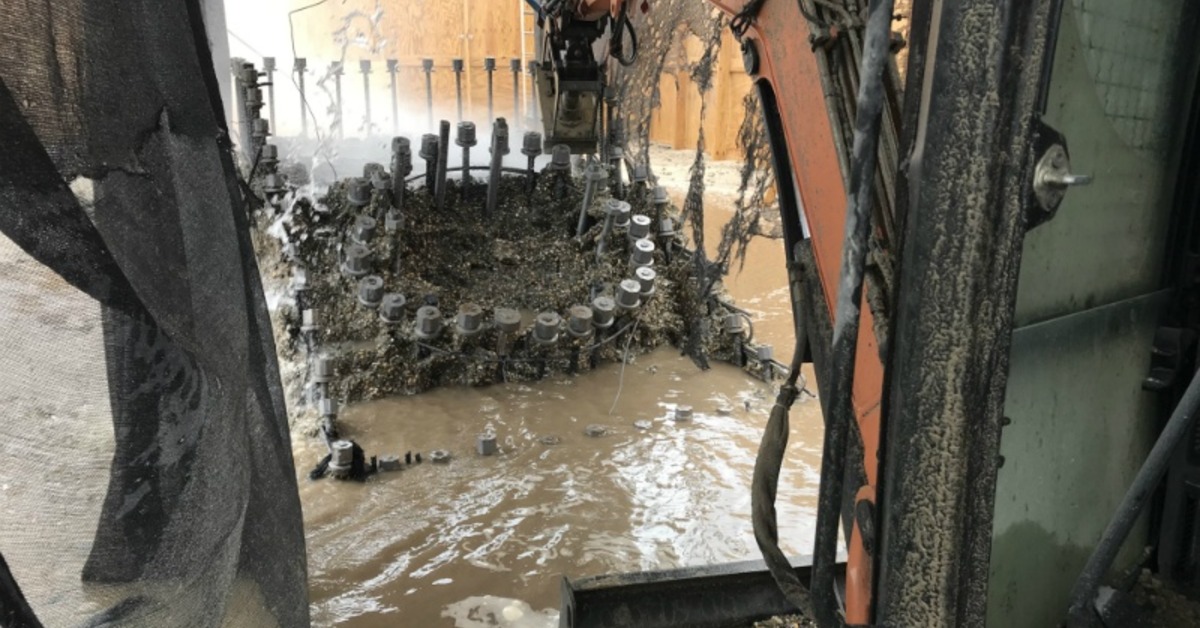
Business owners and facility managers often need a removal method that can handle tough buildup without unnecessary damage. Ultra-high-pressure water blasting offers controlled removal for coatings and hardened residue. It uses highly pressurized water to cut or clean material from a surface without relying on grit or abrasive dust.
The right method depends on the surface and the final goal. A high-pressure hydroblasting company can evaluate those factors before work begins. Here’s how to find out when ultra-high-pressure water blasting is right for your applications.
What Ultra-High-Pressure Water Blasting Does
Ultra-high-pressure (or UHP) water blasting uses water at very high pressure to break the bond between unwanted material and the surface below. Skilled technicians control the pressure and water flow. They also adjust the nozzle type and working distance, all of which affect speed and surface protection.
UHP water blasting can remove stubborn materials with accuracy. It can also prepare a surface for coating or repair work. This method differs from standard pressure washing, and it requires trained crews and specialized equipment. Facility teams often choose this process when ordinary cleaning methods cannot meet the project scope.
When Coatings Need Precise Removal
Many industrial and commercial assets need old coatings removed before a new system can perform well. Paint systems and lining systems can fail when crews apply new material over old surfaces.
Ultra-high-pressure water blasting can strip coatings while limiting unnecessary surface loss. The process can target the coating layer and preserve more of the base material. This approach works well when a surface needs a clean profile before recoating. It also helps reduce dust concerns from dry abrasive methods.
When Surface Preparation Drives Project Success
Surface preparation often determines the life of a coating or repair system. A clean surface gives new materials a stronger bond.
Hydroblasting removes contaminants that interfere with adhesion and leaves a surface profile that perfectly matches the specifications. These contaminants may include rust and loose coating. UHP water blasting can also remove salts and grease. Each of these materials can weaken the next coating system.
Poor preparation can lead to peeling and early failure. That risk can increase costs and extend downtime. UHP hydroblasting helps create a cleaner starting point for the next phase of work.
When Concrete Needs Selective Removal
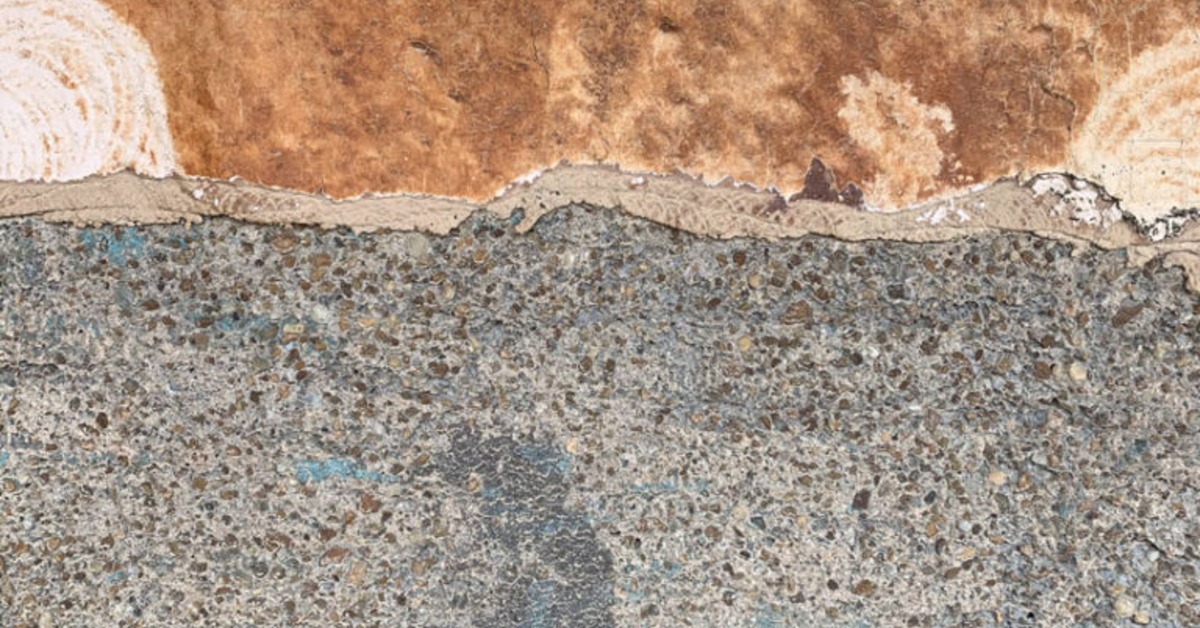
Hydrodemolition offers a controlled option for concrete removal. The process can remove damaged concrete without heavy impact stress. This matters when crews need to protect rebar or surrounding sound concrete. It also helps with repair projects where precision matters.
Ultra-high-pressure water blasting can expose embedded steel and prepare concrete for repair. It can also reduce vibration around sensitive structures. Facility managers can also consider this service for spalled concrete and bridge decks. It can also support parking structures and industrial slabs.
When Abrasive Blasting Creates Problems
Abrasive blasting can work for many projects. It can also create dust and spent media. Water blasting uses water as the primary removal force. That can make it a better fit when dust control matters.
Hydroblasting reduces large volumes of abrasive waste. However, crews still need proper containment and wastewater planning.
A hydroblasting company should review the site conditions before recommending a method. The right plan should address runoff and debris.
When The Material Resists Standard Cleaning
Some buildup will not respond to basic washing or manual removal. Industrial scale and hardened residue can require more force. Corrosion products and heavy coatings can also resist standard cleaning. Ultra-high-pressure water blasting can remove those materials with concentrated water energy.
Trained crews adjust the setup to match the surface and removal goal. This service can help restore access to equipment surfaces and inspection areas. It can also prepare assets for maintenance work. A professional assessment should come before work begins.
When Safety And Experience Matter
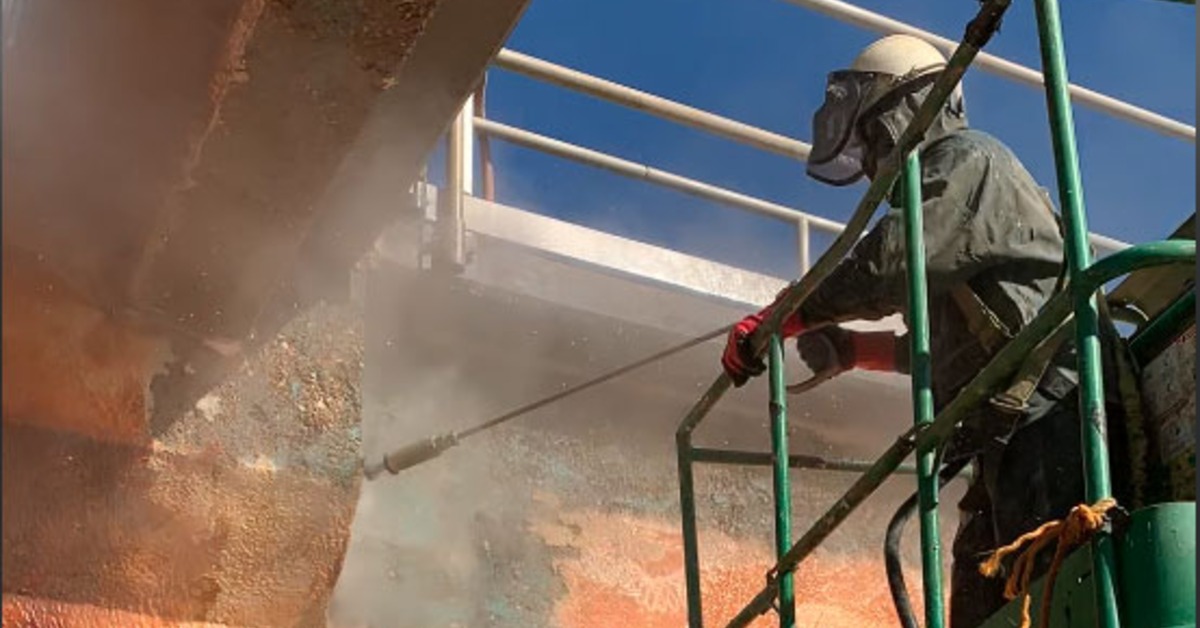
High-pressure hydroblasting requires serious safety planning. Water at ultra-high pressure can cut hard material and cause severe injury.
A trained crew should manage equipment setup and work zones. It should also manage personal protective equipment and emergency planning. At Clean Sweep Hydroblasting, every project starts with a clear safety process. Experience also matters because no two surfaces act the same way. Clean Sweep Hydroblasting brings more than 30 years of combined industry experience to this type of work.
Material thickness and surface condition can change the best approach. Access and drainage can also change the plan.
Signs This Method May Fit the Project
Ultra-high-pressure water blasting may fit a project when the work involves demanding removal needs. It can also help when the surface needs careful handling.
Common signs include:
- Failed coatings that need full removal
- Concrete that needs selective demolition
- Existing structures that need to protect/preserve structural integrity
- Rust that blocks inspection
- Industrial residue that resists standard cleaning
- Surfaces that need preparation before recoating
- Work areas that need dust reduction
- Projects that require precise material removal
When Another Method May Work Better
Ultra-high-pressure water blasting does not fit every project. Lighter cleaning work may only need lower pressure equipment. Some sites may also have water control limits that require another approach.
The best contractor will explain those limits before work starts. A clear recommendation should protect the schedule and the surface.
Facility managers should avoid one-size-fits-all answers. The right process should follow the surface condition and project goal.
What To Ask Before Choosing a Hydroblasting Company
The right provider should understand industrial cleaning and surface preparation. The company should also understand hydrodemolition. Business owners and facility managers should ask about equipment and experience. They should also ask about safety planning.
A strong proposal should describe the removal method and the expected outcome. It should also cover containment needs and access requirements.
Clean Sweep Hydroblasting provides hydrodemolition and surface preparation. Our experienced team also provides ultra-high-pressure hydroblasting.
Why The Right Choice Matters
Ultra-high-pressure water blasting gives facility teams a powerful option when precision and force both matter. It can support cleaner work and safer preparation. This method often makes sense for demanding commercial and industrial work. Ultra-high-pressure hydroblasting is the right choice for projects where experience matters and the surface deserves careful handling.
For projects that need a technical approach, Clean Sweep Hydroblasting can review the scope. When experience matters, call Clean Sweep Hydroblasting to discuss the next hydroblasting project.