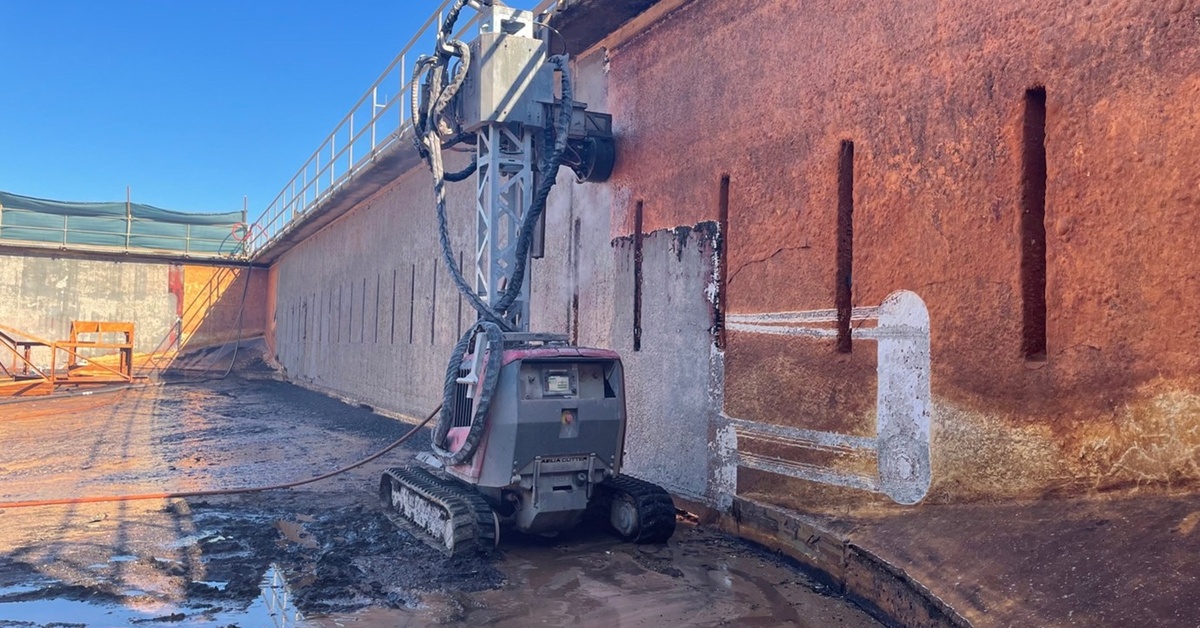
Industrial facilities and commercial sites face tighter shutdown windows, higher safety expectations, and stricter environmental scrutiny. Surface preparation methods that create heavy dust, chemical runoff, or inconsistent profiles no longer fit many modern project requirements.
Hydroblasting brings ultra-high-pressure water cleaning into a central role for maintenance, restoration, and surface preparation. For business owners planning industrial cleaning, hydroblasting offers a forward-looking approach that aligns with productivity, safety, and quality goals. Here’s a closer look at why hydroblasting is the future of the surface preparation space.
Market Demand Is Shifting Toward Cleaner, More Controlled Methods
Hydroblasting supports repeatable results because teams can customize water pressure, flow, nozzle selection, and stand-off distances to match substrate and coating conditions. Projects also demand minimal disruption beyond the work zone. Hydroblasting can reduce airborne dust compared to dry abrasive approaches, which helps contain debris and protect adjacent operations.
Ultra-High-Pressure Performance Drives Better Results
Hydroblasting uses focused water energy to remove coatings, contaminants, and residues with precision. That precision matters when a project requires removal without excessive surface damage or when preparation standards must match coating manufacturer specifications.
Hydroblasting can increase productivity by reducing rework. Consistent cleaning and surface preparation improves coating adhesion and can extend service life after recoating.
Surface Preparation Quality Supports Long-Term Asset Protection
Surface preparation is rarely only about appearance. Corrosion control, coating performance, and structural reliability depend on the condition of the substrate before applying new materials.
Hydroblasting can support strong surface preparation outcomes on steel, concrete, and other industrial substrates. When the goal includes coating removal, laitance removal, or preparing a surface for a new system, water blasting helps deliver a clean, ready-to-bond profile.
 Safety Advantages Matter For Industrial Sites
 Safety Advantages Matter For Industrial Sites
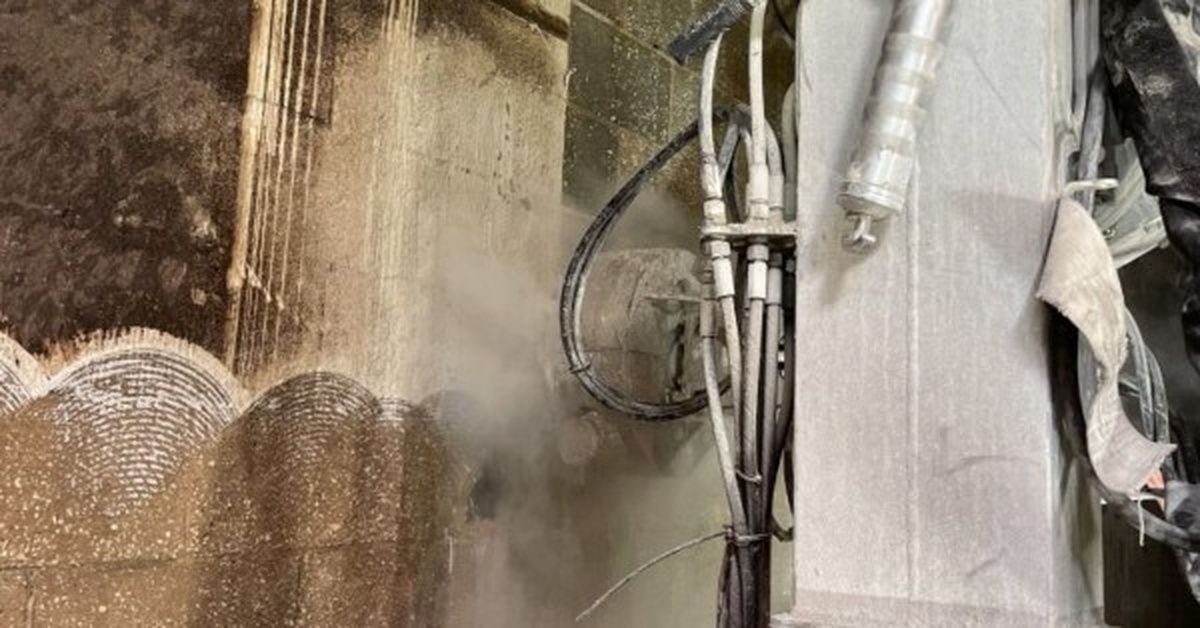
Industrial environments place a premium on controlling hazards, especially around hot work, silica exposure, and airborne contaminants. Hydroblasting can reduce certain airborne dust risks associated with abrasive blasting, while also helping avoid sparks that can occur with mechanical methods. These common airborne contaminants can cause respiratory issues, making hydroblasting an ideal long-term alternative.
Hydroblasting also eliminates the need for toxic solvents and other harsh chemicals commonly used in the industrial preparation process. Along with lower noise levels, hydroblasting promotes a wide range of safety benefits for facilities and work sites.
Environmental And Cleanup Benefits Support Modern Compliance
Sustainability expectations have expanded across industrial sectors, including construction, manufacturing, transportation, and energy. Hydroblasting relies on water as the primary cleaning medium, which can reduce reliance on harsh chemicals for many applications.
Containment and filtration can further support environmental goals by capturing removed coatings and residues for proper disposal. A cleaner process can also simplify site housekeeping, especially when containment planning starts early.
Versatility Makes Hydroblasting A Long-Term Solution
Hydroblasting fits a wide range of surface preparation needs, from coating removal to heavy industrial decontamination. The same core approach can support multiple scopes, which reduces the need to mobilize different contractors for each phase of a project.
Hydroblasting also pairs well with specialized applications such as hydrodemolition and surface preparation for repairs. That flexibility positions hydroblasting as a long-term solution as facility needs evolve.
Hydrodemolition Expands Value Beyond Cleaning
 Hydrodemolition Expands Value Beyond Cleaning
Concrete repair projects often require selective removal that preserves rebar and sound material. Hydrodemolition uses high-pressure water to remove damaged concrete while maintaining structural integrity in targeted areas.
This capability supports rehabilitation, restoration, and infrastructure work where precision removal improves repair quality. For owners managing long-life assets, selective removal methods can reduce downstream repair complications.
Hydrodemolition also supports stronger bonding conditions for repair materials by exposing clean, sound aggregate and removing weakened layers. This improves repair consistency across patch boundaries and helps reduce premature debonding in high-load or high-vibration environments.
Downtime Reduction And Project Predictability Improve ROI
Every hour of downtime affects production, labor scheduling, and overall project cost. Hydroblasting can streamline workflows by combining removal and cleaning steps, which can shorten schedules when compared to multi-step mechanical approaches.
Predictability also matters for budgeting and coordination in modern business models. When a process produces consistent results, inspection outcomes improve and the need for touch-ups decreases, protecting both timeline and cost.
Hydroblasting can also reduce scheduling friction by improving readiness for downstream trades and coating crews. Cleaner, more uniform surfaces can shorten the gap between surface prep and application, which helps projects maintain momentum during outages and turnaround windows.
Choosing The Right Contractor Determines Results
Hydroblasting outcomes depend heavily on the contractor’s equipment capability and job planning. Projects require the correct pressure and flow selection, surface protection strategies, containment plans, and waste handling processes.
Experience also affects decision-making in the field. Substrate condition, coating type, and access constraints change the optimal approach, and an expert crew adjusts without sacrificing safety or quality.
A qualified contractor also documents the process and builds the plan around measurable acceptance criteria, including surface cleanliness expectations and verification steps. This level of planning helps prevent scope creep, reduces rework, and supports smoother communication between maintenance teams, safety personnel, and inspectors.
Why Clean Sweep Hydroblasting Fits Future-Focused Projects
Clean Sweep Hydroblasting brings over 30 years of combined experience in hydroblasting and ultra-high-pressure water work, with a focus on safe and effective execution. Our company supports hydrodemolition, surface preparation, and ultra-high pressure hydroblasting for industrial and commercial projects, with national and international coverage.
Clean Sweep operates as a small, family-owned business that prioritizes tailored service and equal attention across projects. Innovation remains a differentiator, including building job-specific machines when specialized performance is required.
Hydroblasting Services Support Modern Industrial Standards
Industrial preparation now requires a blend of performance, safety, and environmental responsibility. Hydroblasting services meet these expectations by delivering controlled removal and high-quality preparation without relying on abrasive media for many scopes.
As more sites demand measurable outcomes and reduced operational disruption, hydroblasting continues to grow as the practical choice. The method supports faster turnarounds and better long-term protection when executed with the right equipment and expertise.
Next Steps For Industrial Preparation Projects
Hydroblasting may be the future of surface preparation, but a successful project starts with scope definition, substrate evaluation, and a plan for containment and waste handling. Clear project goals also help determine whether cleaning, coating removal, surface preparation, or hydrodemolition best fits the need.
When experience matters, Clean Sweep Hydroblasting provides industrial preparation support backed by specialized capability and an innovation-first mindset. Contact Clean Sweep Hydroblasting to discuss project requirements and schedule a site-specific plan that meets timeline, safety, and quality targets.